Article
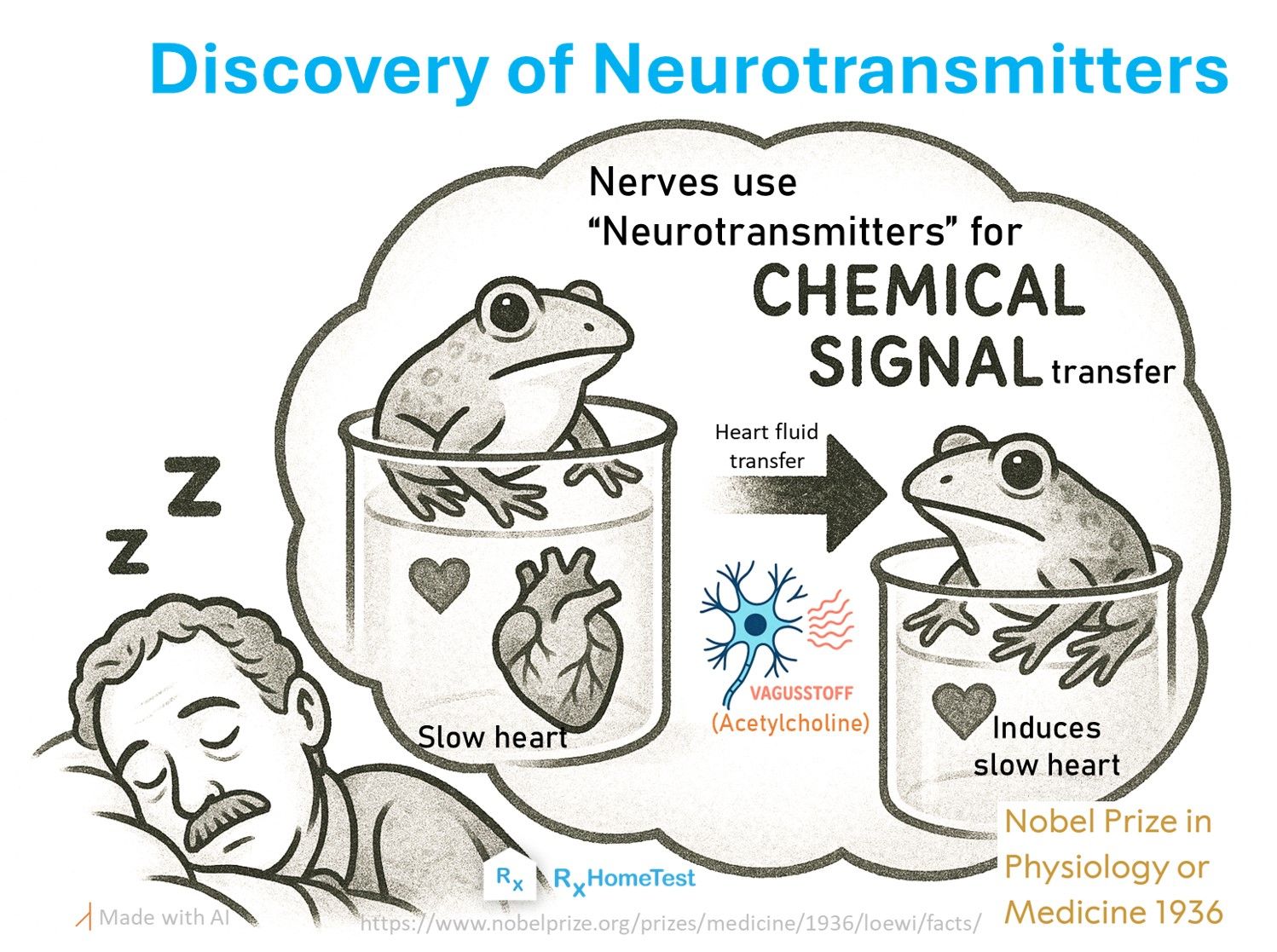
Neurotransmitters play important roles from gut health to mental well-being. They are also widely studied for developing medicines. Here we discuss some of the most important neurotransmitters.
Neurotransmitters are a group of molecules that affect the brain and nervous system. They can be classified in many ways depending on what they do, their chemical structure, response time, the path of action, etc.
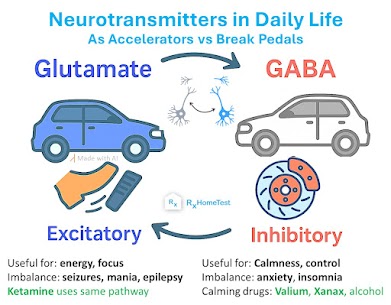
Broadly speaking, a neurotransmitter can either accelerate the brain activity, i.e., cause excitation, or it can calm things down, i.e., inhibit the activity.
Excitation causing neurotransmitters tend to improve focus, alertness, memory and learning. However, too much of them can cause anxiety, stress or even seizures. Examples include adrenaline and glutamate.
Inhibitory neurotransmitters help with relaxation, sleep and anxiety control. But too much can lead to sedation, sleepiness, and muscle relaxation. GABA and tryptophan are good examples of this category.
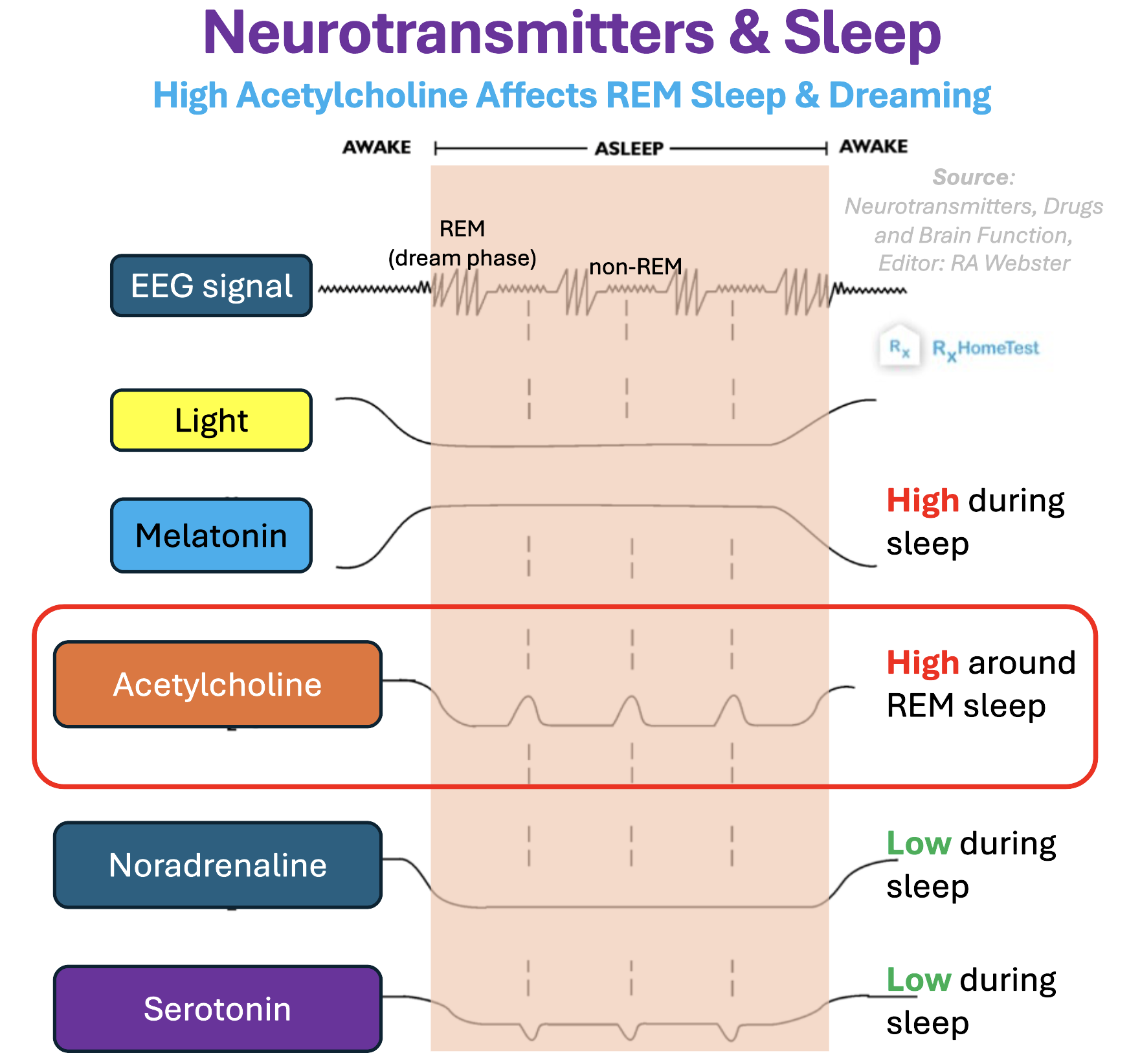
Some neurotransmitters are slower acting and help in balancing & fine tuning the mood, attention and daily sleep-wake cycle.
There maybe other chemicals that are part of a neurotransmitters test but are often used as indirect "smoke signal", and may highlight the strain on the body due to inflammation and underlying issues.
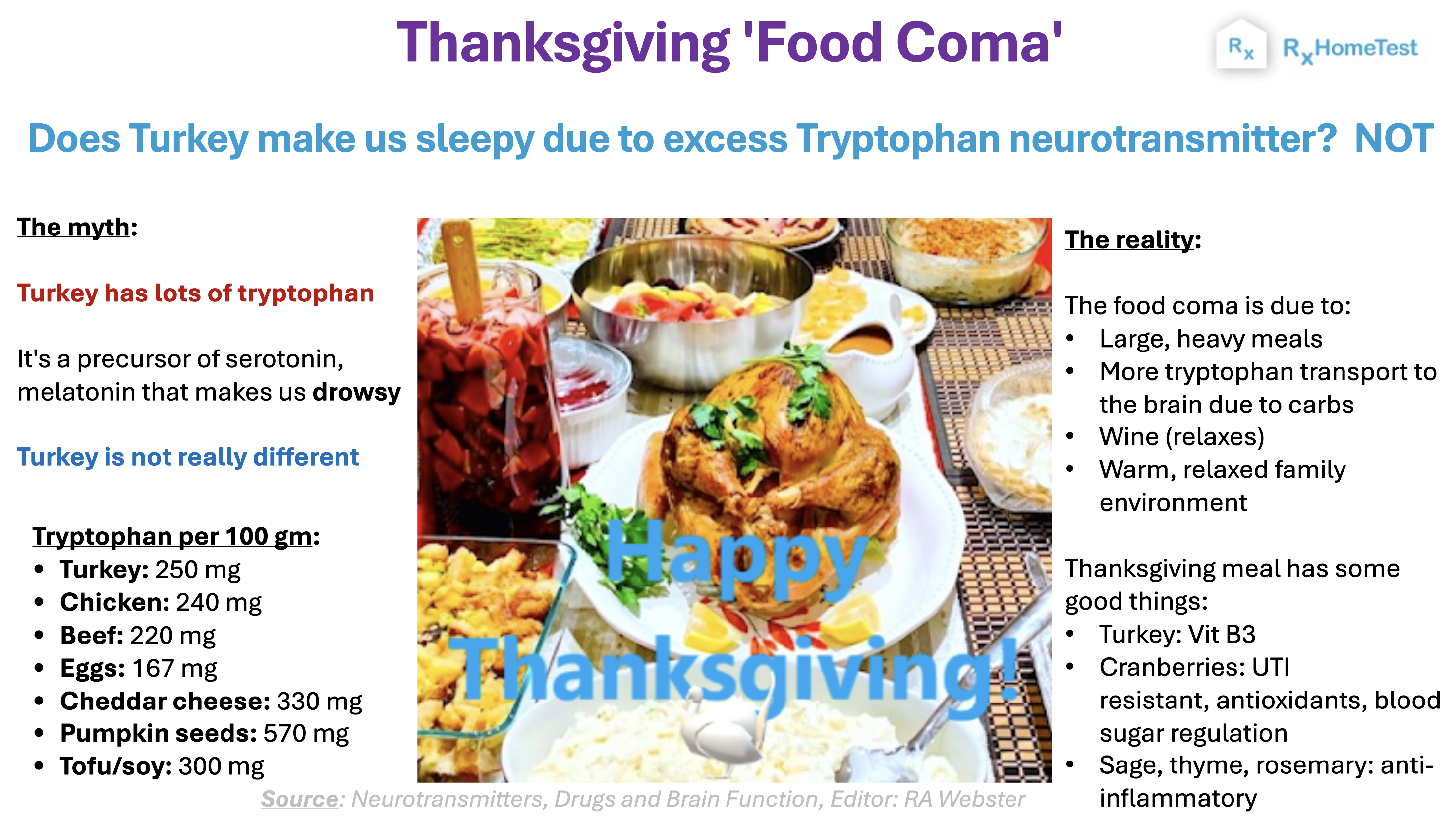
Tryptophan is found in regular diet, especially in protein (chicken, turkey, pumpkin seeds, cheese, tofu).
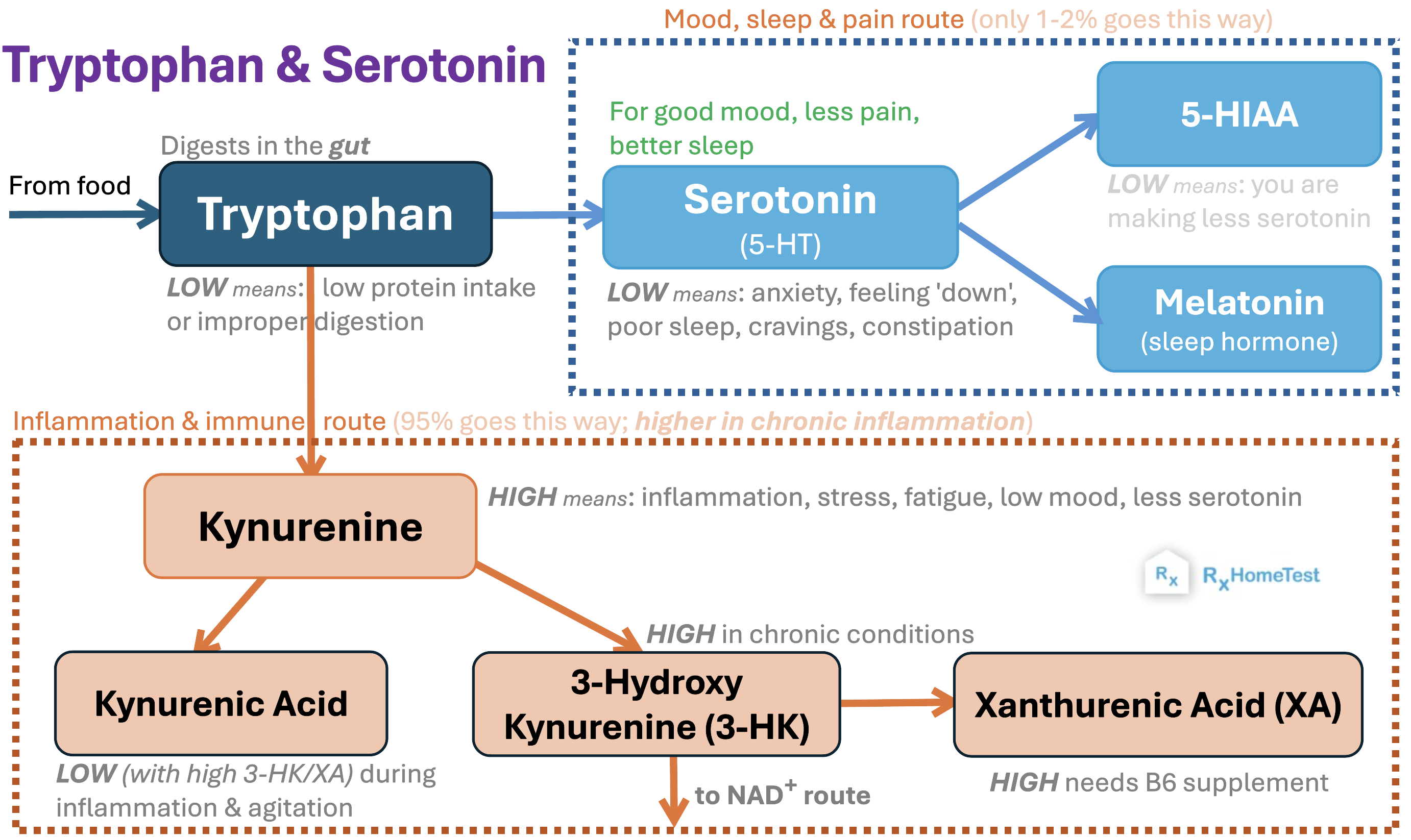
The body makes melatonin (sleep hormone) and neurotransmitters such as serotonin, kynurenine as well as Vitamin B3 (niacin) from digestion of tryptophan.
Low levels of tryptophan in a neurotransmitters test suggest you are not consuming enough protein or the body is not digesting properly.
Tryptophan is used by the gut, brain, heart and muscles.
It is mistakenly assumed that food coma is due to tryptophan (especially around Thanksgiving and other holidays); however, the real reasons are heavy meals, alcohol, and the warm, relaxed environment.
This 'happy molecule' is an inhibitory neurotransmitter that has 'feel good' effect. It calms the nerves, makes us feel better and lifts the mood.
High serotonin also lowers stress and anxiety while improving sleep and memory.
Apart from improvement in mental health, it also increases appetite, improves libido, and helps control the body temperature.
Abnormally high serotonin levels are known to cause anxiety, bone loss, celiac disease (for those with DQ2, DQ8 gluten reaction genes), diarrhea, high blood pressure, excessive cortisol levels, irritability and low libido.
Because most of serotonin in our body is produced in the gut, it helps with bowl movement and gut health.
Certain medicines can raise serotonin levels: morphine, reserpine, methyldopa, lithium, the antidepressants monoamine oxidase inhibitors (Nardil, Parnate, Marplan, Emsam) and 5-HTP (5-hydroxytryptophan).
Foods and supplements that can raise serotonin levels include walnuts, pineapple, bananas, pumpkin seeds, avocadoes, beans, cantaloupes, dates, eggplants, grapefruits, kiwi, lentils, meats, plantains, seeds, tomatoes, tuna, turkey, and wheat.
Methylation cofactors such as B Vitamins (B2, B6, B9, B12), copper and zinc can help digest serotonin and normalize the levels.
Once serotonin is digested in the body, 5-HIAA is formed as a byproduct.
It is not a neurotransmitter but gives an indirect method of understanding serotonin levels and its metabolism. 5-HIAA reflects gut activity where most serotonin is produced.
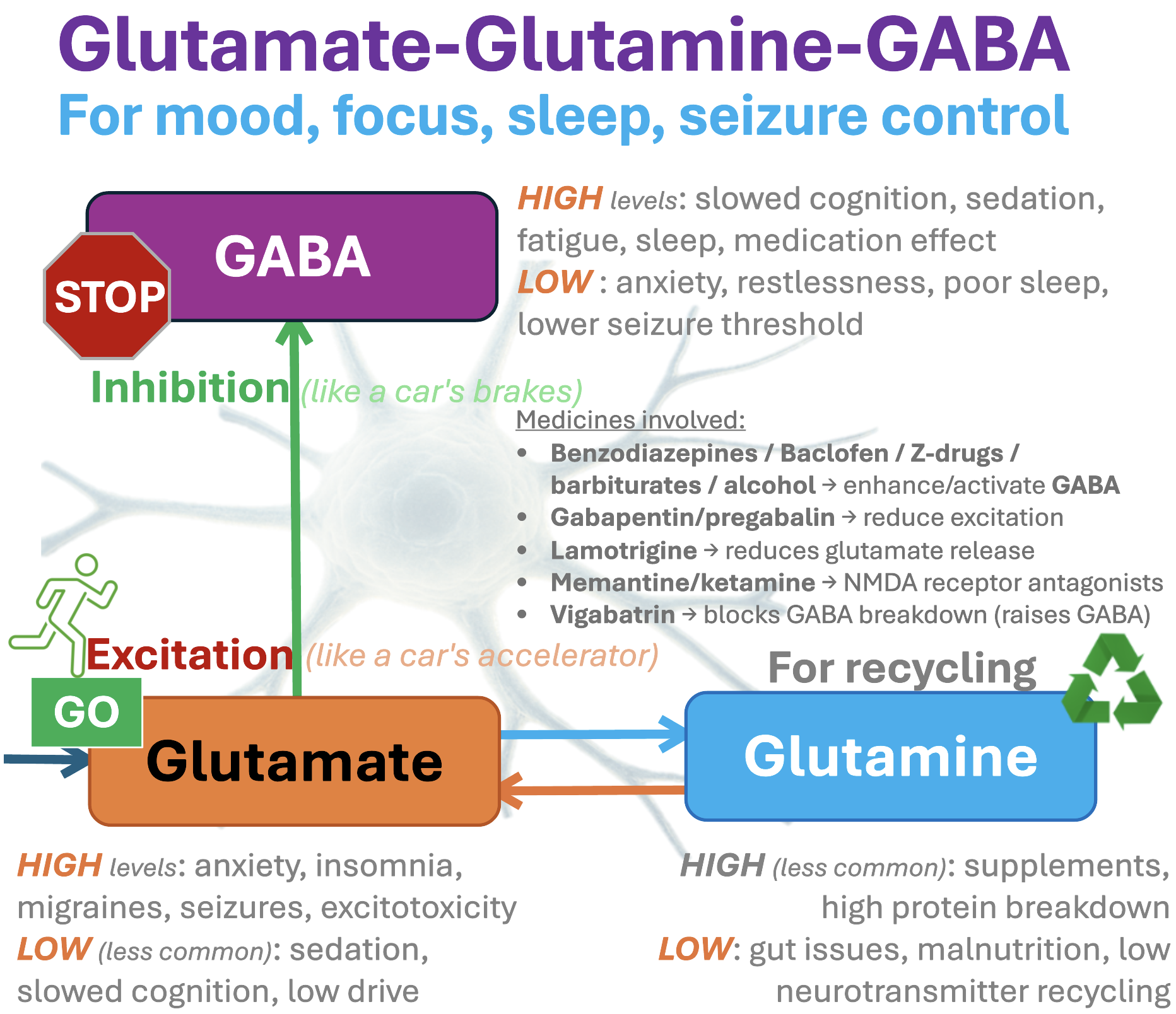
As one of the most important inhibitor neurotransmitters, GABA acts as a break pedal to calm down many of the overactive body functions.
Therefore, it slows down any excitation processes such as anxiety, irritation, hypertension, insomnia, forgetfulness, muscle twitching and contraction.
Such a control also helps in metabolism with better control of blood sugar and insulin release.
Low GABA levels can cause multiple issues: depression, headaches, panic attacks, PTSD, insomnia, menopause symptoms, ADHD, tics in children (Tourette syndrome), and dysfunction in adrenal and HPA axis (hypothalamus-pituitary axis).
For maintaining optimal levels, GABA can be directly used or other supplementation can help, e.g., L-theanine, B vitamins (e.g., B2, B6, B9, B12) & other cofactors, GHRH (growth-hormone-releasing hormone), Ginko biloba, Ashwagandha, Kava, Valerian root, Melissa off (lemon balm), Scutellaria sinensis (skullcap), Gotu cola, Magnolia bark, Phellodendron bark, and probiotics.
Regular exercise, yoga, meditation and avoidance of caffeine can help raise GABA levels.
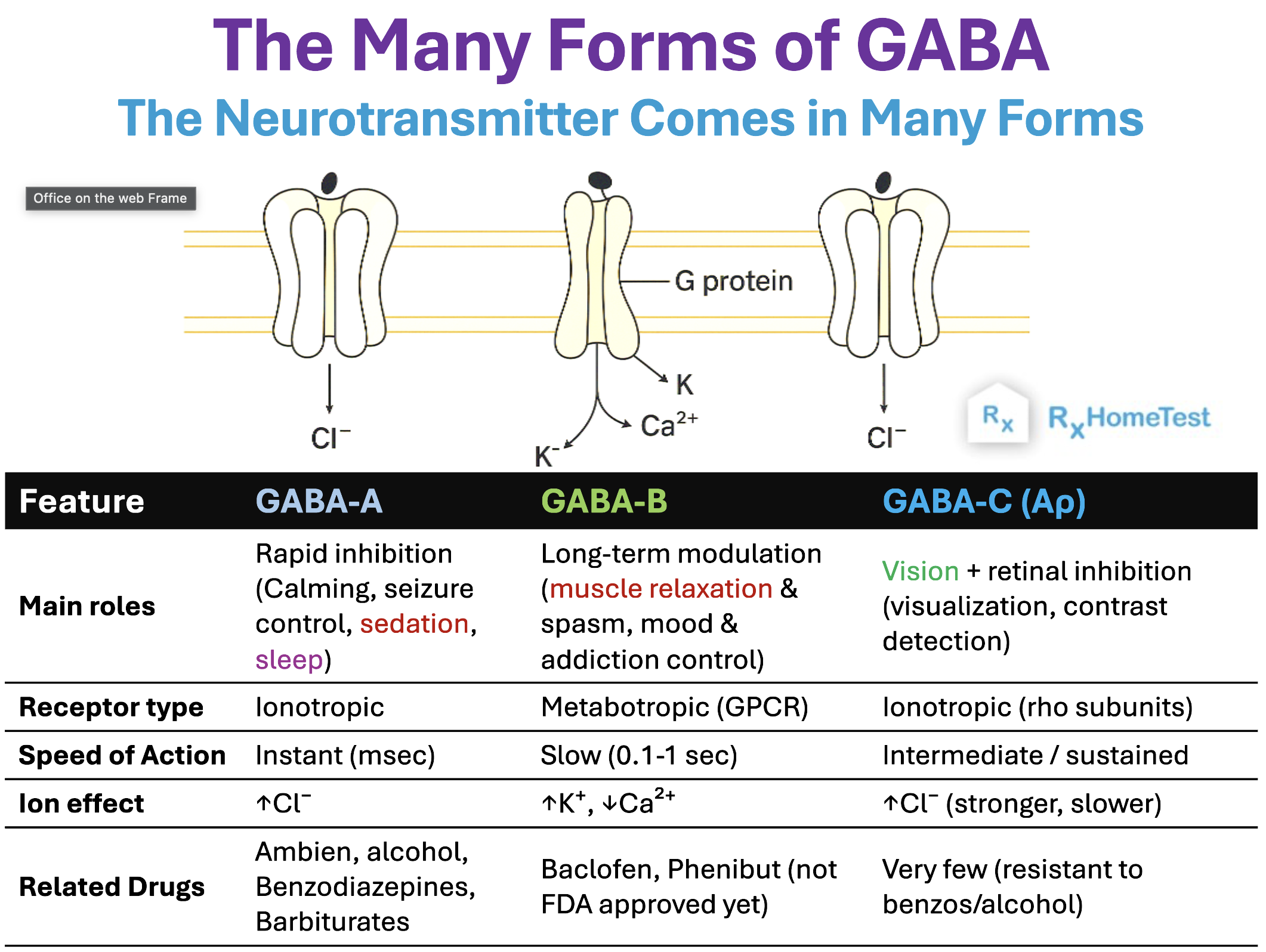
A simple amino acid but also a neurotransmitter that's important to reduce stress, anxiety, aggression, insomnia, and inflammation.
It is crucial for making DNA, cell walls and tissues in the body.
Low levels of glycine can result in depression but can be directly supplemented or through Vitamins B6 and B9.
Several factors can lower glycine levels including diabetes, obesity, hypothyroidism, rheumatoid arthritis and even temporarily after intense exercise.
Another simple amino acid that's also an inhibitory neurotransmitter.
Taurine improves sleep, relieves anxiety, alleviates fatigue, helps in metabolism and digestion, and promotes blood glucose control and electrolyte balance.
Taurine has anti-oxidative and detoxification properties that help in maintaining heart health, making lean body mass, improving exercise performance. Other roles include neurogenesis in brain tissue.
The main source of taurine is our diet.
When the neurotransmitter tryptophan is digested, serotonin is formed, but most of it (95%) converts to kynurenine.
This is even more pronounced during stress & high inflammation.
High kynurenine levels indicate problems such as inflammation, chronic stress, overactive immune system or gut dysbiosis (as tryptophan to kynurenine or serotonin conversion happens in the gut). Other reasons include infections,
In the brain, kynurenine converts into several other chemicals include kynurenic acid and quinolinic acid.
Kynurenic acid blocks overstimulation from glutamate and thus has calming effect.
Another chemical produced from the break down of kynurenine, 3-HK is counter-balance to kynurenic acid and has a non-calming, stressful role. It's pro-oxidate (not anti-oxidant) & releases free-radicals that damage the nerves.
High levels are often seen with high inflammation, depression, anxiety, autoimmune disorders, and infections.
Low levels don't have much significance but looking at the kynurenic acid and 3-HK ratio might be more meaningful due to their opposing roles.
As a byproduct of kynurenine break down, that is mainly used as a marker of Vitamin B6 levels.
High levels indicate Vitamin B6 deficiency, inflammation or gut dysbiosis with symptoms of mood swings, irritability, fatigue, and sleep disturbances.
Unlike GABA, glutamate helps accelerate certain functions such as appetite, learning, gut health, libido and wakefulness.
Low glutamate levels can cause depression, anxiety, fatigue, loss of focus, low energy, insomnia and migraines.
It is the most abundant free amino acid that's important for cell division. It strengthens the immune system and protects the intestinal lining that thins with age.
Glutamine also helps raise glutamate and GABA levels.
Histidine is used in making histamine, a marker of inflammation and swelling.
It helps protect the skin from UV rays when it converts to urocanic acid. Other roles include wound healing, myelin formation (the coating of our nerves), and detoxification (by binding with metals, e.g., iron, copper, zinc) as an antioxidant.
Our body can't make histidine but meat, eggs, dairy, grains and nuts are good sources.
Apart from being an inflammatory marker, histamine is also a neurotransmitter.
It lowers pain, helps boost memory and cognition, reduces sleep and drowsiness, reduces appetite while boosting gastric acid flow. Antihistamines are commonly used to reduce inflammation but as their neurotransmitter role they lead to drowsiness and forgetfulness.
Digestion of histamine creates N-methylhistamine (NMH) and used as an indirect source of histamine levels. Because histamine levels can fluctuate quickly, N-methylhistamine is useful for checking total histamine produced in the body.
High levels often indicate too much histamine and inflammation from allergic reactions.
Low levels maybe due to suppressed histamine levels or from certain medications (e.g., antihistamine such as Benadryl, Claritin, Allegra).
PEA plays important role is good mood, higher energy, focus and attention.
High levels of PEA are found in people with aggression, ADHD, bipolar disorder, schizophrenia, and in people experiencing insomnia, severe anxiety, and post-partum.
PEA levels often rise after exercise and due to certain drugs such as amphetamine. However, use of B Vitamins (B2, B6, B9, B12) and other methylation cofactors (e.g., SAM, Mg, Zn) can help reach optimal levels.
As the building block for dopamine and adrenaline, tyrosine is important for focus, mood, stress, and motivation.
During stress, the body needs tyrosine in the brain to fight
Those with low COMT enzyme activity (with Met/Met genes) or with high catecholamine levels might feel overstimulated due to high dopamine and adrenaline production.
As a week stimulant made from tyrosine, tyramine helps in releasing several other neurotransmitters such as norepinephrine.
High tyramine levels can increase blood pressure, heart rate, and cause overstimulation leading to stress, anxiety, alertness.
It can give sudden spikes in blood pressure and sometimes can trigger migraines.
Because tyramine is found in aged products (such as cheese, cured meats, fermented soy, sauerkraut, kimchi, beer, overripe bananas), such spikes are often called 'cheese effect'.
Tyramine can be especially problematic for those taking antidepressant medicines called MAO inhibitors, as they prevent its breakdown. Symptoms include severe hypertension, headache, nausea and risk of stroke.
High levels are often due to heavy consumption of aged and fermented products, slow MAO-A enzyme activity or gut dysbiosis.
Dopamine is one of the more well known neurotransmitters, with key role in feelings of pleasure and reward.
Higher dopamine levels help improve mood, focus, attention, and are important for higher blood pressure, better bowl movement, higher lactation, improved urinary output, and healthy metabolism.
Abnormally elevated dopamine has been observed in people with anxiety, mercury toxicity, PTSD, Crohn's disease, those consuming higher sodium and certain supplements (e.g., Mucuna).
Excess dopamine can cause insomnia, hyperactivity, anxiety, psychosis, mood swings, lack of focus and poor gut health.
It is formed from dopamine and is independently found to be elevated in people with anorexia.
Homovanillic acid is another byproduct formed after the metabolism of dopamine.
Epinephrine is both a hormone and a neurotransmitter, and one of the three key catecholamines.
As part of the body's 'flight or flight' response system, it improves alertness, focus and attention.
It's also critical for other functions such as maintaining body temperature, bladder control, digestion, blood glucose, heart rate, and blood pressure.
Noradrenaline or norepinephrine has very similar structure and function as epinephrine. It is another catecholamine with body's flight and flight response.
It also improves mental health with better focus and attention.
The breakdown of norepinephrine produces normetanephrine. It is one of the most reliable indicators of total norepinephrine metabolism in the body.
The process involves COMT, a key enzyme that itself has many other important roles.
High levels indicate stress and anxiety. Sometimes levels might appear high due to exercise before sample collection, caffeine, sleep apnea, and certain medications, specially stimulant drugs such as decongestants, ADHD medicines, etc.
Low levels are rarely an issue but might be low due to problems with the adrenal glands, adrenal fatigue, or certain medicines affecting COMT enzyme activity.
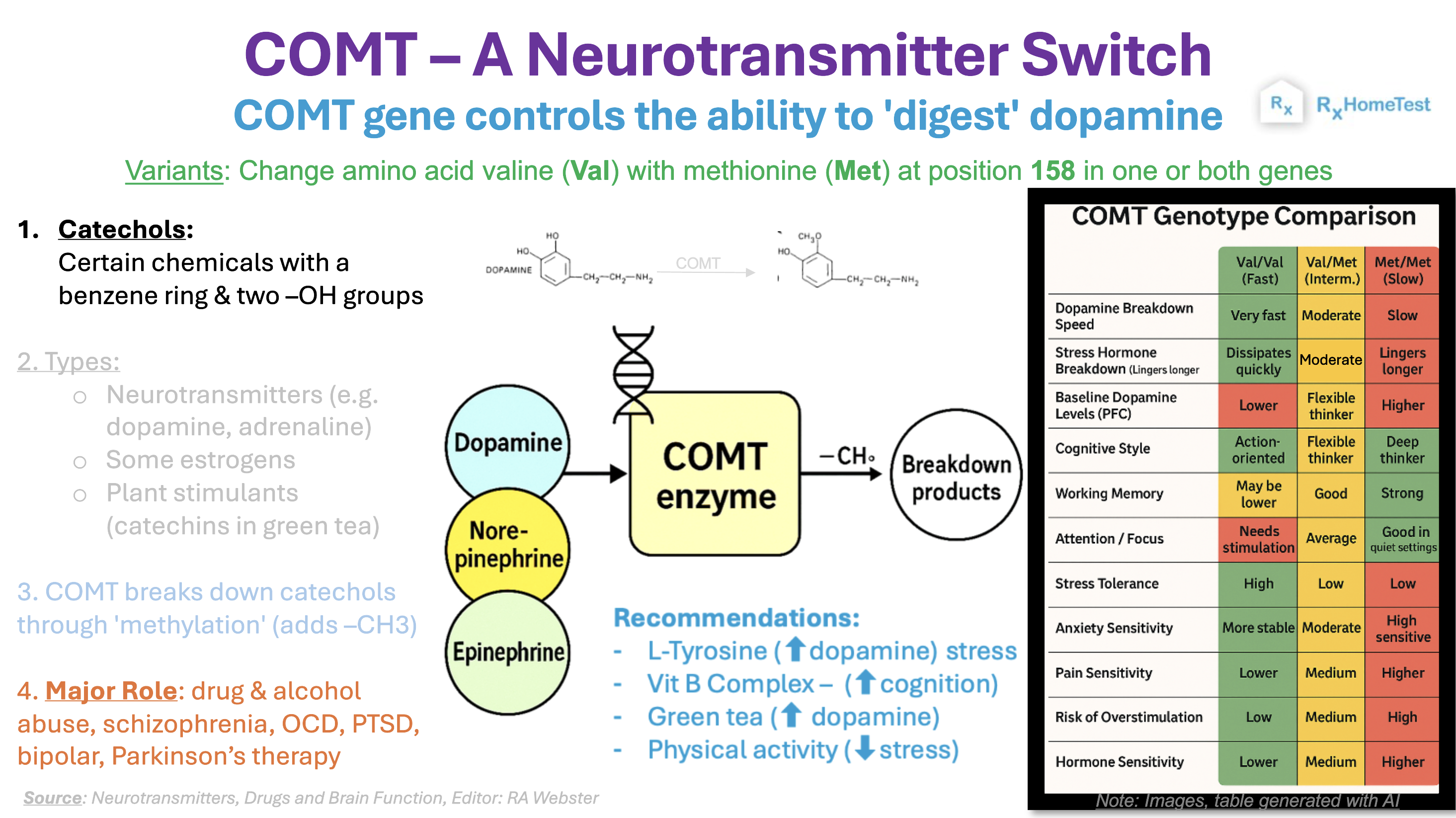
Vanillylmandelic acid is formed after the metabolism of epinephrine and norepinephrine with COMT gene playing an important role.
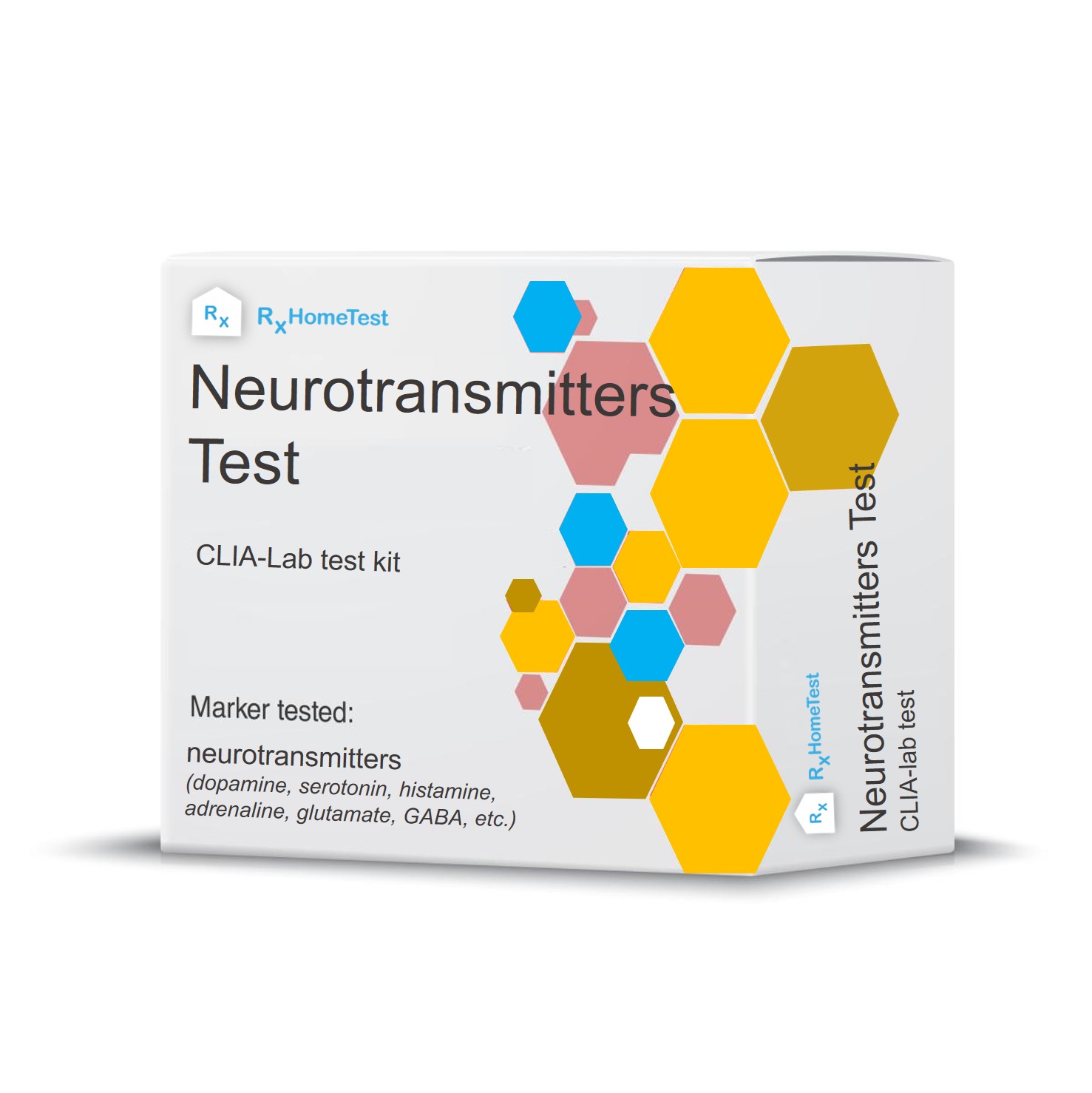
Order an at-home Advanced Neurotransmitters Test kit.
All About Vitamin D - a brief summary of the sunshine vitamin.
The Most Common Signs of Vitamin D Deficiency - learns the signs before you get tested.
The Best Ways To Manage Your Vitamin D Levels - tips on managing your levels.
Cardiovascular Disease and Vitamin D - understand the crucial role vitamin D plays in heart health.
CRP, Inflammation, and Risk of Heart Disease - C-reactive protein, Vitamin D & their role in inflammation.
