Article
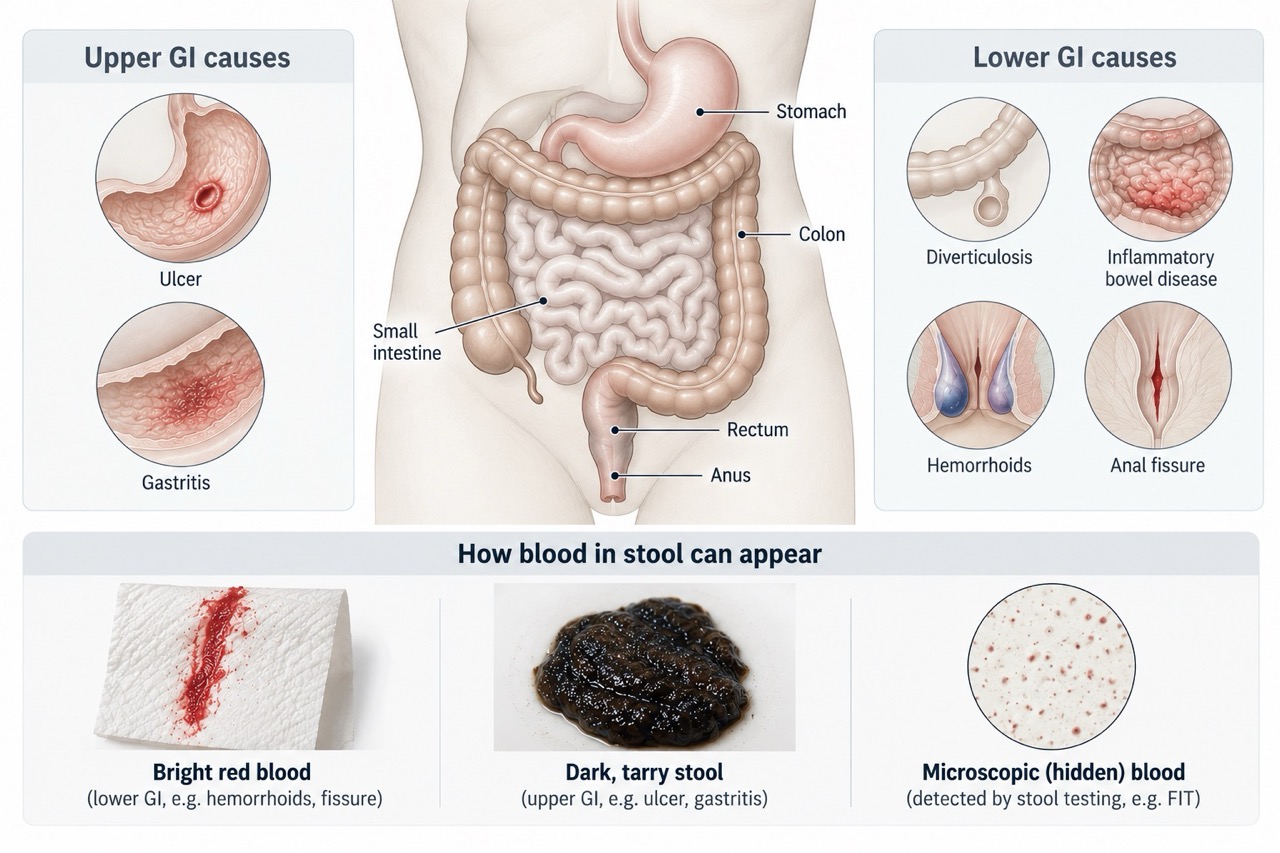
Seeing blood in your stool can be alarming, but learning what causes it and how simple tests like a FIT can catch health issues early makes protecting your digestive wellness simple and stress-free.
Your digestive tract is a long, continuous tube that moves food from your mouth down to your stomach and intestines.
Because your intestines have a delicate lining filled with tiny blood vessels, any irritation, tear, or inflammation can lead to bleeding.
Finding blood in your stool is one of the most common reasons people reach out to a doctor.
While the sight of blood in the toilet can cause immediate worry, it does not always mean something severe is happening.
In fact, many cases of rectal bleeding come from minor, treatable conditions like hemorrhoids.
However, blood can also be an early clue for more serious issues in your colon, such as polyps or colorectal cancer.
Modern testing has made it easier than ever to check for hidden digestive bleeding from the comfort of home.
By learning why bleeding happens and how screening tools work, you can take control of your gut health with confidence.
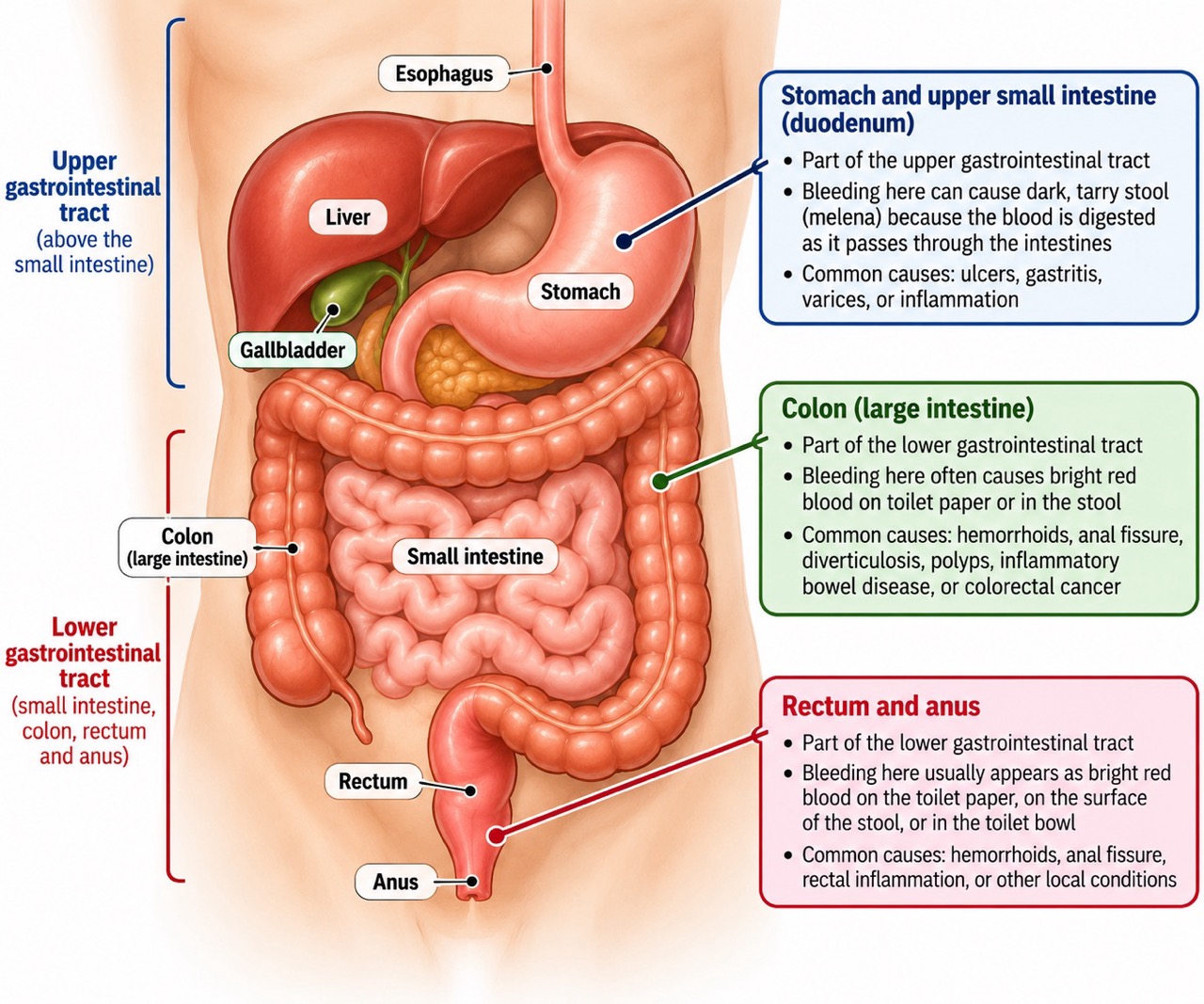
IMAGE: Simple sketch of the human digestive tract highlighting the stomach, colon, and rectum.
GI (Gastrointestinal) bleeding usually falls into two categories:
Visible bleeding and
Hidden (occult) bleeding.
The color and appearance of the blood tell doctors a lot about where the bleeding is coming from in your digestive tract.
Here is how the different types of bleeding typically appear:
Bright Red Blood (Hematochezia): When blood comes from the lower part of your digestive system—such as your rectum or the end of your large intestine—it usually looks bright red. It may coat the outside of your stool, drip into the toilet water, or appear on toilet paper after you wipe. Because it does not travel far, it does not have time to break down or change color.
Dark, Tarry Stool (Melena): If bleeding happens higher up, such as in your stomach or the upper small intestine, stomach acid and digestive enzymes break down the blood as it travels. This turns the stool jet-black, sticky, and foul-smelling.
Hidden Blood (Occult Blood): Sometimes, the amount of blood in your stool is so small that you cannot see it at all. Even though the stool looks completely normal, microscopic traces of blood may still be present.
According to the National Institutes of Health (NIH), hidden blood is often the earliest sign of colon polyps or early-stage cancer, which is why regular screening is so valuable.
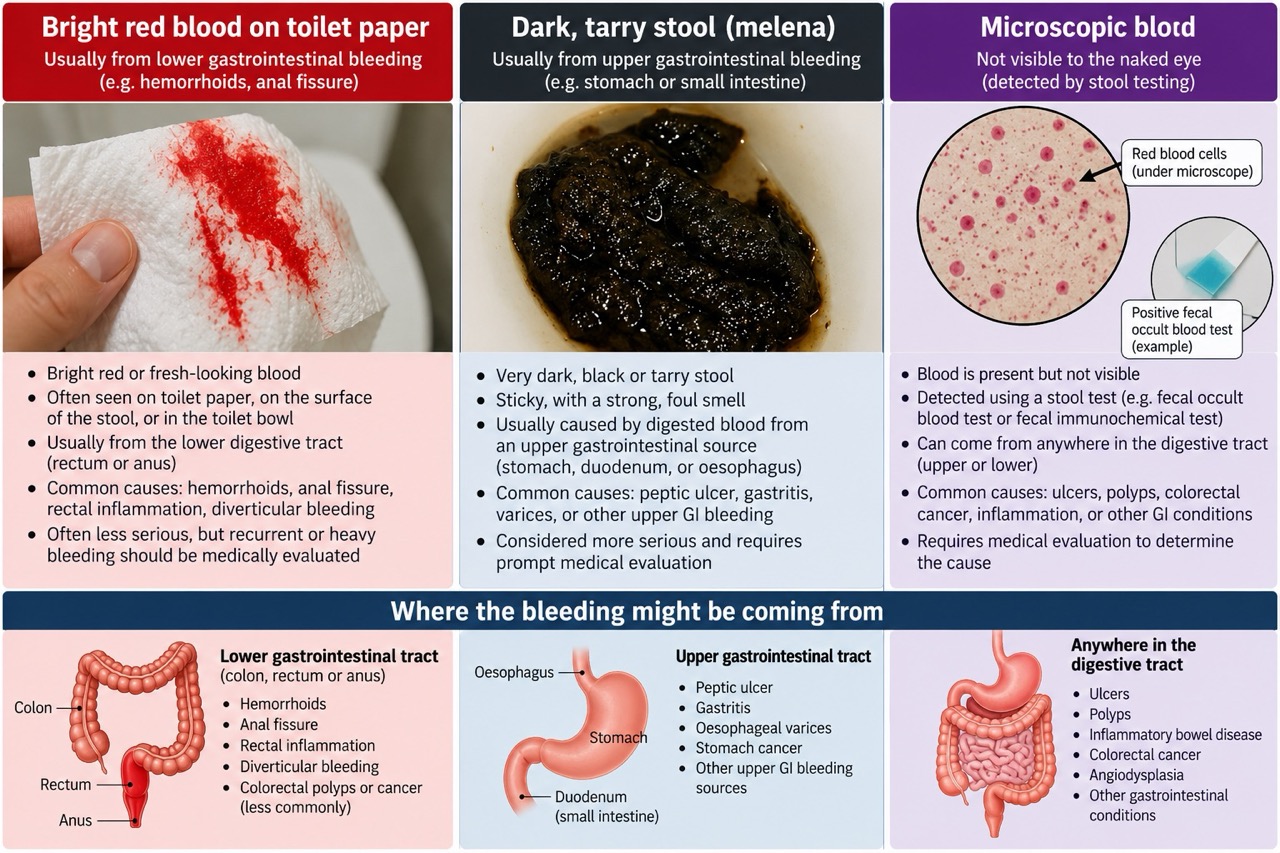
Figure: Visual comparison showing bright red blood on toilet paper versus dark tarry stool and microscopic blood.
The vast majority of bright red blood seen on toilet paper or in the bowl comes from common, non-cancerous conditions in the anal area.
The two most frequent causes are hemorrhoids and anal fissures.
Hemorrhoids are simply swollen veins located inside the lower rectum or around the opening of the anus.
They are very common, especially in adults who sit for long periods, strain during bowel movements, or have been pregnant.
Doctors divide them into two types:
Internal Hemorrhoids: These swollen veins sit deeper inside the rectum where there are few pain-sensing nerves. They often bleed painlessly during a bowel movement, leaving bright red streaks on the stool or paper.
External Hemorrhoids: These develop under the skin around the outside of the anus. They can become sore, itchy, or swollen, and may occasionally bleed if they become irritated.
Another common cause is an anal fissure, which is a tiny tear in the thin lining of the anus.
Fissures are usually caused by passing hard, dry stools or dealing with frequent diarrhea.
Unlike internal hemorrhoids, anal fissures tend to cause a sharp, burning pain during and after bowel movements, along with a small amount of bright red blood.
Both hemorrhoids and fissures can usually be treated with simple lifestyle adjustments, such as drinking more water, eating more fiber, or using soothing creams.
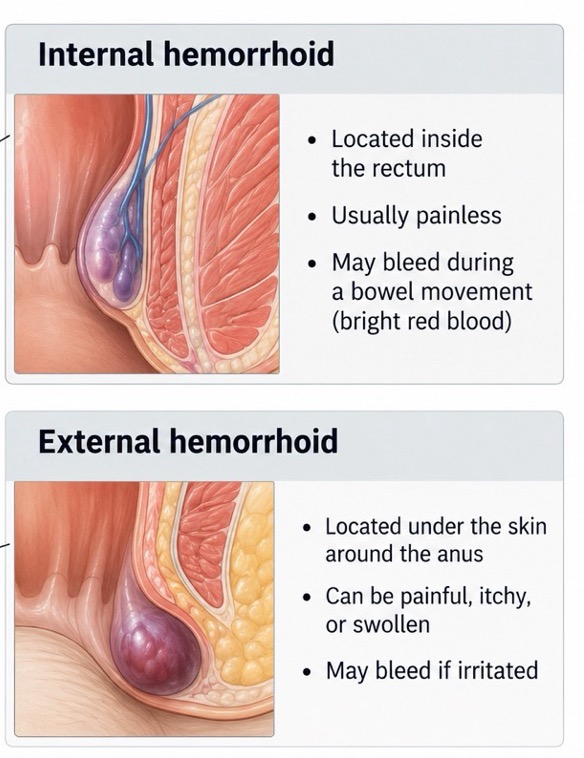
IMAGE: An AI-generated anatomical drawing showing the difference between internal and external hemorrhoids in the anal canal.
While hemorrhoids are the most common cause of visible bleeding, several other conditions can cause blood to enter your stool anywhere along the digestive tract.
Some of the most common conditions include:
Diverticulosis: Many adults develop small, bulging pouches in the walls of their colon as they age. If a small blood vessel next to one of these pouches weakens, it can suddenly bleed, causing a noticeable amount of red or maroon blood in the stool.
Inflammatory Bowel Disease (IBD): Conditions like Crohn's disease and ulcerative colitis cause chronic inflammation and sores along the intestinal lining. This often leads to frequent bloody diarrhea, abdominal cramps, and fatigue.
Stomach Ulcers: Open sores in the lining of your stomach or upper small intestine can bleed, often causing dark or black stools, burning stomach pain, or nausea.
Digestive Infections: Certain bacterial or viral infections can irritate the intestines, leading to sudden diarrhea that may contain small amounts of blood and mucus.
As explained by the Mayo Clinic, any persistent bleeding deserves a discussion with your healthcare provider to confirm the underlying cause and get the right treatment.
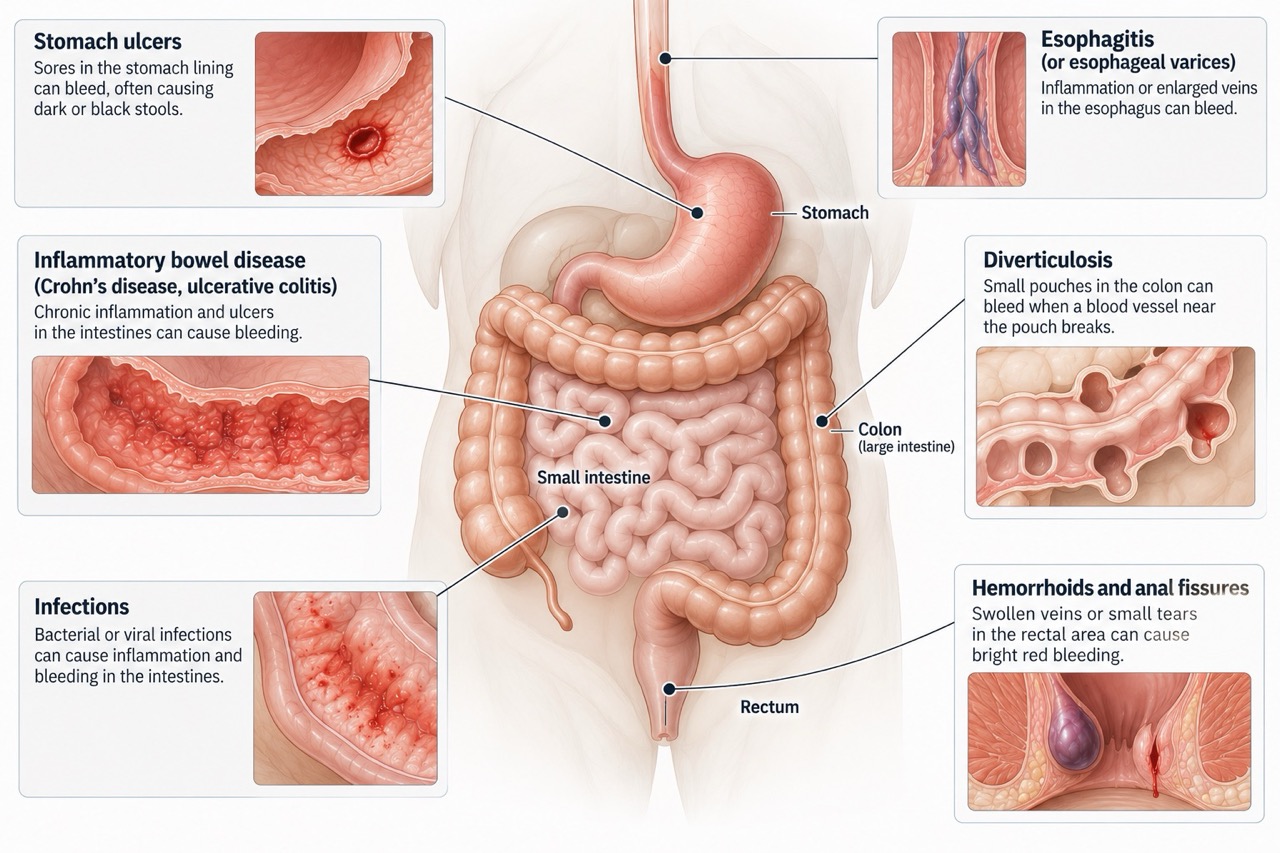
IMAGE: An AI-generated sketch showing various potential causes of digestive bleeding including diverticular pouches, stomach ulcers, and intestinal inflammation.
The main reason doctors take blood in the stool so seriously is its link to colorectal cancer and precancerous polyps.
Most colon cancers start out as small, non-cancerous growths called polyps that form on the inner wall of the large intestine.
As polyps grow, their delicate blood vessels can easily break when stool rubs past them.
This causes microscopic amounts of blood to leak into the digestive stream. Because this blood loss is hidden and painless, people rarely feel any symptoms in the early stages.
Catching these growths early makes an enormous difference.
The Centers for Disease Control and Prevention (CDC) reports that when colorectal cancer is found and treated at an early, localized stage, the 5-year survival rate is around 90%.
Routine screening helps doctors find and remove polyps before they ever have the chance to turn into cancer.
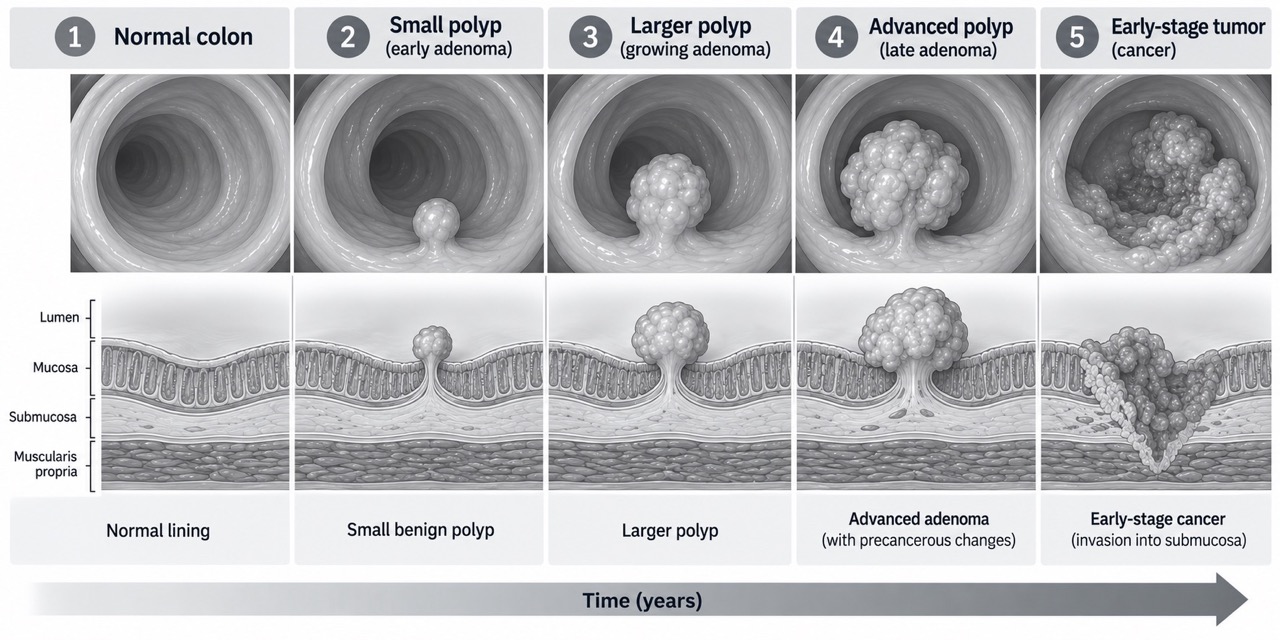
IMAGE: An educational AI-generated diagram showing a small colon polyp growing slowly over time into an early-stage tumor.
A Fecal Immunochemical Test (FIT) is a simple, non-invasive screening tool designed to detect hidden blood in your stool.
You collect a small sample at home, which a laboratory then analyzes for microscopic amounts of blood.
The test works by using specialized proteins called antibodies that look specifically for human hemoglobin—the protein that gives your red blood cells their color.
Because hemogloblin antibodies only react to human globin, the test is very precise and does not get confused by other substances.
Another major advantage of a FIT is that it specifically targets lower digestive bleeding.
As blood from your mouth, esophagus, or stomach travels through your digestive system, stomach acids and enzymes break it down.
By the time it reaches the colon, it can no longer react with the test.
That means a FIT focuses on the colon and rectum, right where screening for polyps and cancer matters most.
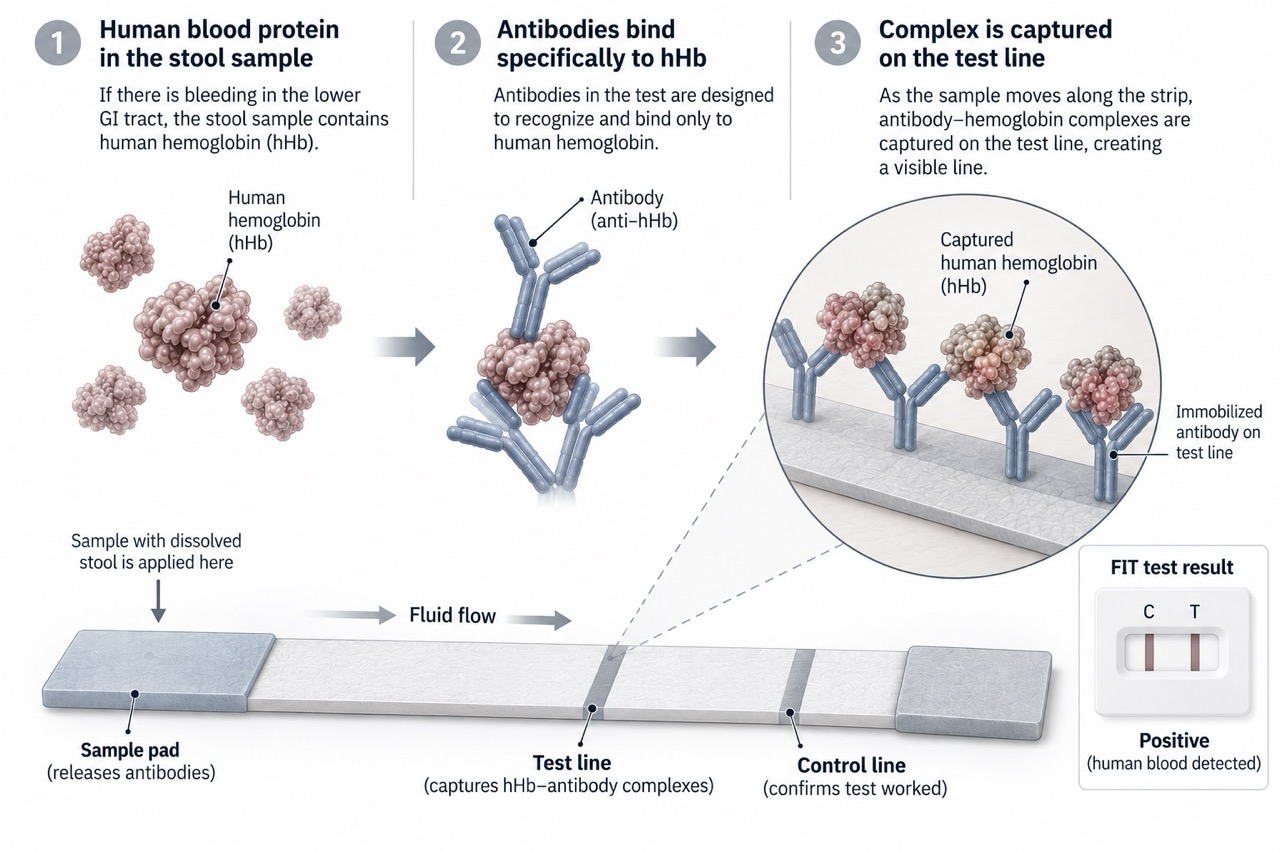
IMAGE: A close-up illustration of antibodies attaching specifically to human blood proteins on a test strip.
Before the FIT test was developed, doctors relied on an older chemical test called the guaiac fecal occult blood test (gFOBT).
While helpful in its time, the older test had several frustrating drawbacks that modern tests have solved.
Here are the key advantages of a modern FIT compared to older stool tests:
No Food Restrictions: Older guaiac tests reacted to blood from foods like red meat and even to enzymes found in broccoli, radishes, and turnips. A FIT test only reacts to human blood, so you can eat your normal diet before taking it.
No Medication Adjustments: Vitamin C supplements and certain pain relievers could cause inaccurate results with older tests. A FIT is not affected by vitamin C.
Higher Accuracy: Because FIT uses targeted antibodies, it provides fewer false alarms and is far more reliable at identifying true bleeding in the colon.
Easier to Use: Modern tests usually require only a single, tiny stool sample, making the process much simpler and cleaner to complete at home.
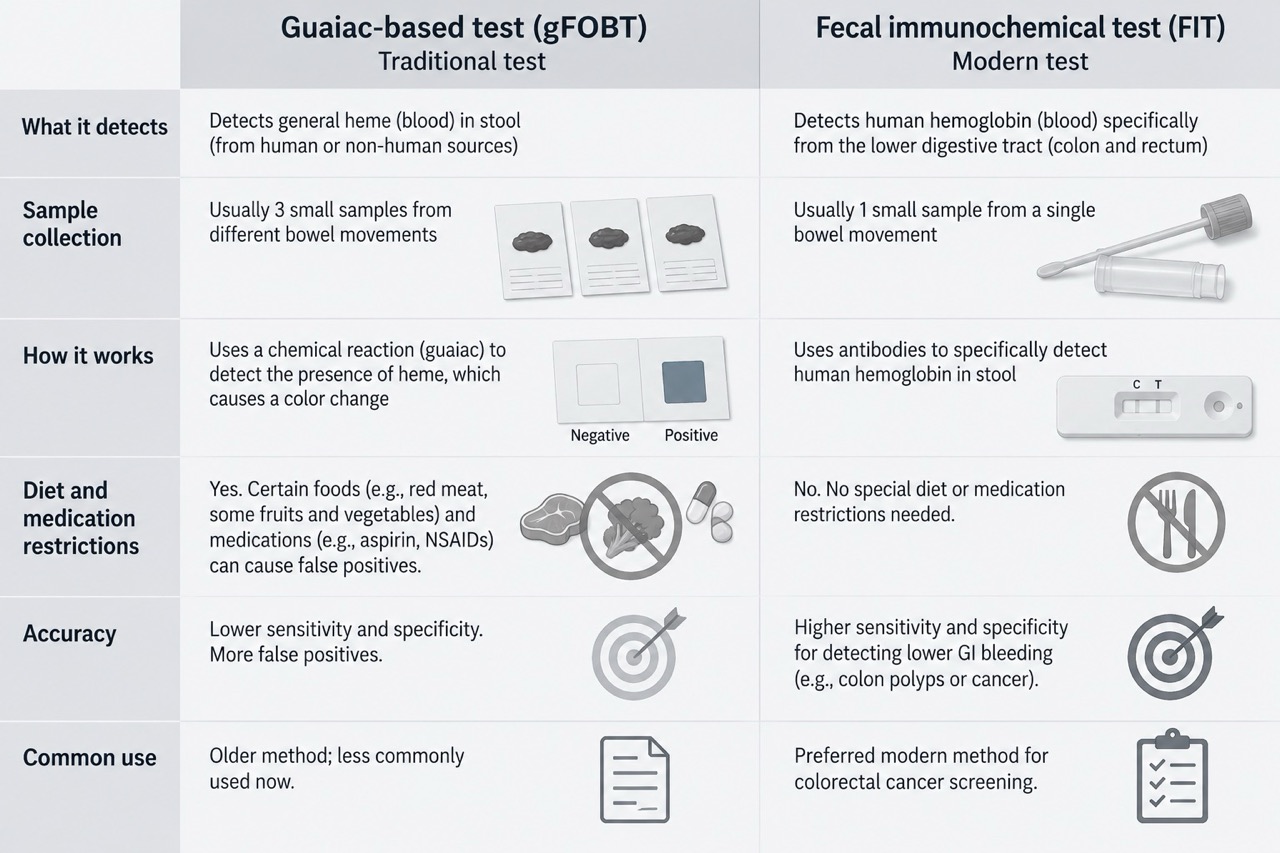
IMAGE: A side-by-side comparison table showing the differences between traditional guaiac tests and modern FIT tests.
A common question people have is whether hemorrhoids can interfere with a FIT test.
Because the test detects human blood, it cannot tell whether that blood came from an irritated hemorrhoid or a polyp deeper inside your colon.
If you have an active flare-up with visible bleeding from hemorrhoids or an anal fissure, that surface blood will cause your FIT test to come back positive.
To avoid false alarms, doctors recommend waiting until any active, visible hemorrhoid bleeding has completely cleared up before collecting your sample.
However, you should never ignore a positive FIT result just because you know you have hemorrhoids.
Hemorrhoids are very common, and having them does not protect you from having polyps or other issues higher up in your digestive tract.
If a stool test detects blood, a healthcare provider must still evaluate the result to ensure your entire colon is healthy.
IMAGE: An AI generated visual graphic explaining why active hemorrhoid bleeding can affect a stool test result.
Taking an at-home FIT test is quick, private, and hygienic.
You can easily complete the process in a few minutes using a reliable screening option like an RxHomeTest at-home GI test.
Follow the instructions that come inside your kit carefully.
Here is what the process generally looks like:
Step 1: Check Your Timing: Do not take the test if you have active bleeding from hemorrhoids, your menstrual period, or open cuts on your hands. Wait until bleeding has stopped.
Step 2: Catch the Sample: Use the collection paper cup provided in your kit to catch your bowel movement. Keep the stool from touching the toilet water, as water and cleaning chemicals can interfere with the results.
Step 3: Collect the Sample: Unscrew the sampling probe from the tube. Gently scrape the grooved tip across the surface of the stool in a few different spots until the grooves are lightly coated. You only need a tiny amount of stool. If the instructions require you to fill up to a certain line, make sure you have collected sufficient amount.
Step 4: Seal the Tube: Place the probe back into the tube and snap the cap closed tightly. Do not add extra stool to the tube, as too much can throw off the testing liquid inside.
Step 5: Mail It Promptly: Place the sealed tube into the provided return bag and send it back to the laboratory right away using the pre-paid shipping envelope.
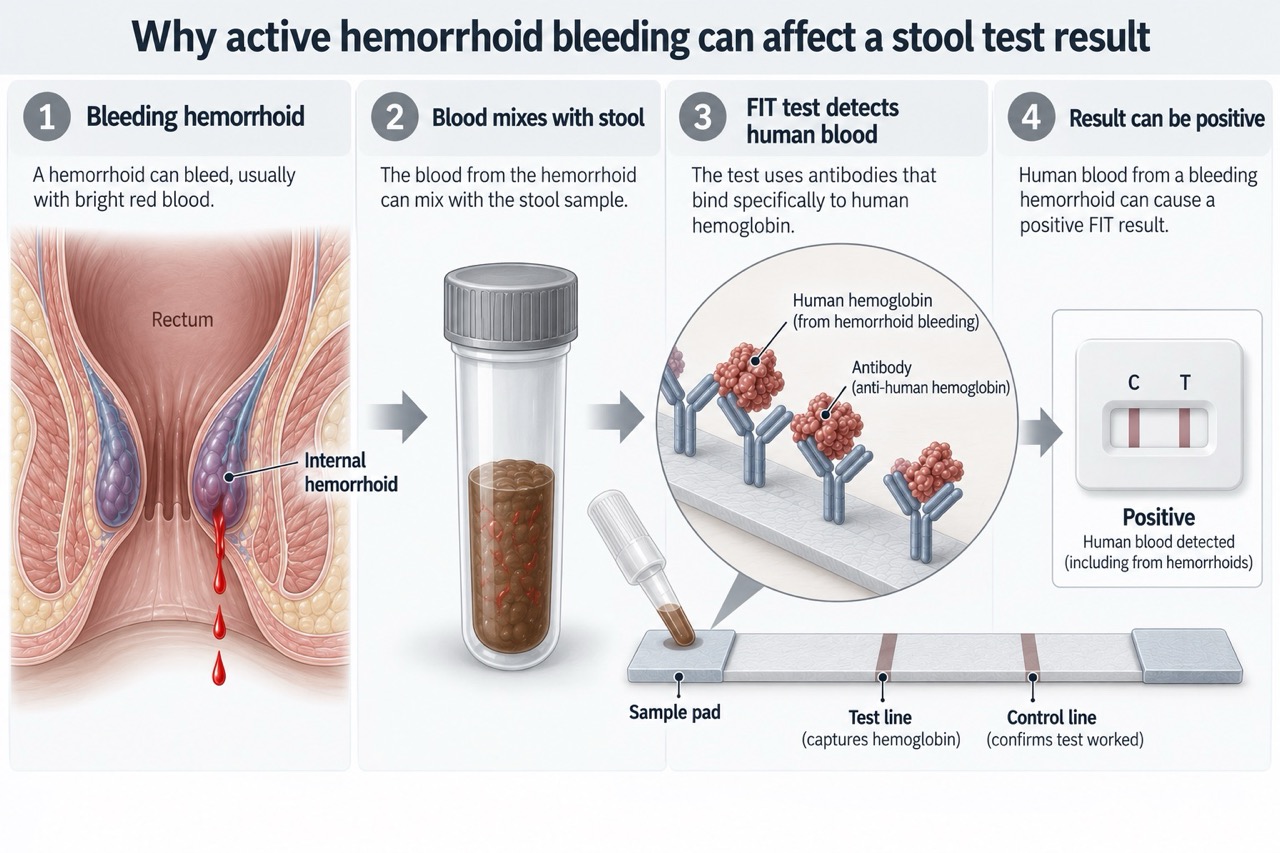
IMAGE: A clean, step-by-step visual graphic showing how to collect, seal, and mail an at-home stool sample kit.
Once the laboratory processes your stool sample, you will receive either a negative or a positive result.
Understanding what these terms mean helps you take the proper next step without unnecessary stress.
Here is what each result means:
Negative Result: This means no human blood was detected in your sample, or the amount was well below the level of concern. For adults at average risk, a negative result is great news and means you can simply repeat your screening every year as recommended by your doctor.
Positive Result: This means the test found traces of human blood in your stool. A positive result is not a diagnosis of cancer. Many non-cancerous conditions—including small ulcers, diverticulosis, or healing tissues—can cause a positive reading.
If your test comes back positive, the recommended next step is a diagnostic colonoscopy.
During a colonoscopy, a doctor uses a thin, flexible tube with a camera to look directly at the entire inside of your colon.
This allows them to find the exact source of bleeding and remove any polyps on the spot, preventing future problems.
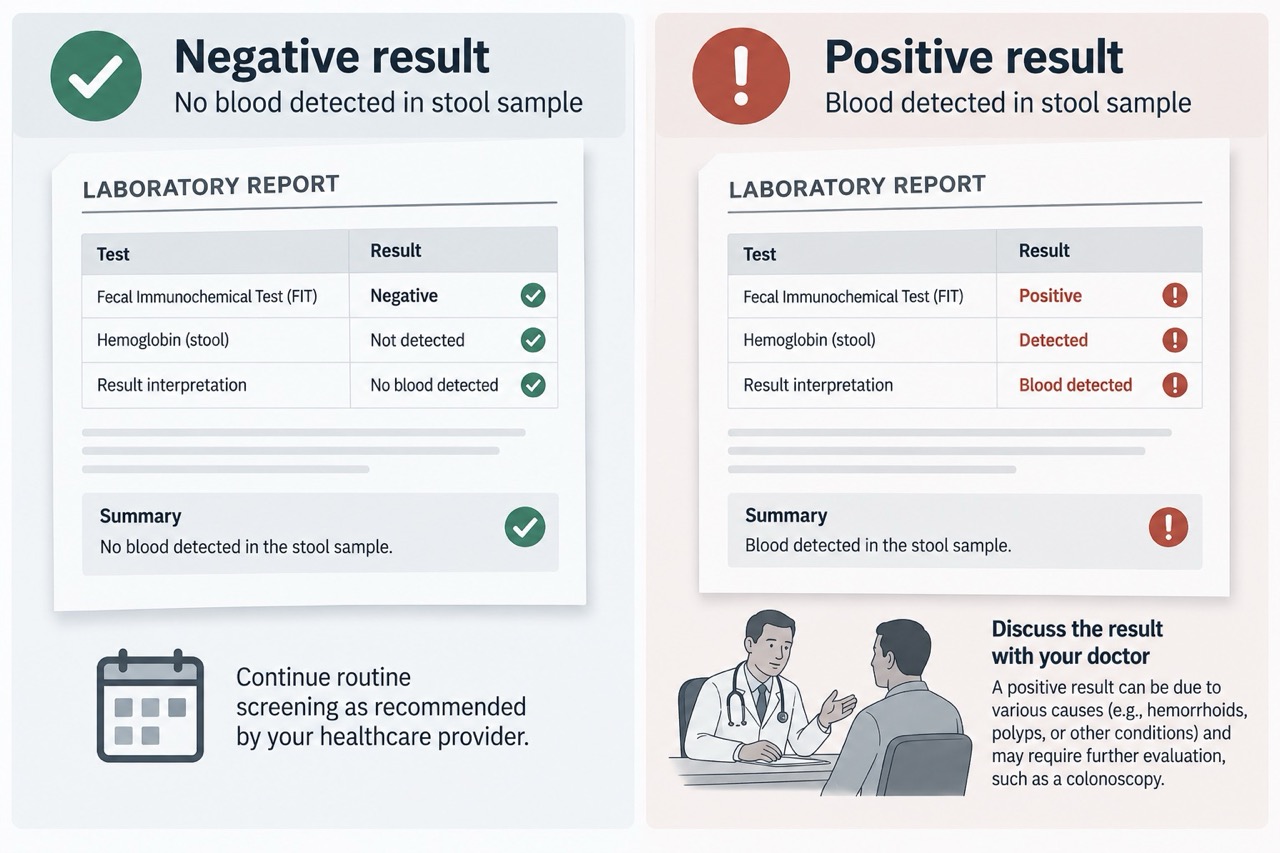
IMAGE: An illustration of a lab report showing clear checkmarks next to negative results and a doctor consultation icon next to positive results.
An at-home FIT test is a routine screening tool meant for people who feel fine and have no alarming symptoms.
If you are experiencing sudden, severe, or heavy bleeding, you should not wait for a stool test. Instead, you need immediate medical care.
Seek urgent medical attention if you notice any of these red flag warning signs:
Large amounts of bright red blood, blood clots, or bleeding that fills the toilet bowl
Stools that are completely black, sticky, and tarry, especially if accompanied by nausea or stomach pain
Feeling dizzy, faint, lightheaded, or confused, which can mean you are losing too much blood
A rapid heart rate, sudden shortness of breath, or pale skin
Severe, sharp, or rapidly worsening abdominal pain accompanied by a fever or vomiting
If you have a strong personal or family history of colon cancer or have been diagnosed with an inflammatory bowel disease, speak directly with a gastroenterologist.
You may need specialized colonoscopy screenings rather than standard at-home tests.
Blood in your stool is a sign that your digestive system needs attention, but it is not a reason to panic.
Many cases are linked to simple, manageable issues like hemorrhoids or anal fissures that resolve with minor lifestyle adjustments.
At the same time, paying attention to hidden blood through regular screening is one of the most effective ways to protect your long-term health.
Tools like the FIT test allow you to check for subtle issues early, long before noticeable symptoms develop.
Taking charge of your gut health is simple.
Whether by eating a fiber-rich diet, staying hydrated, or completing an annual at-home screening, taking proactive steps today gives you lasting peace of mind for the future.
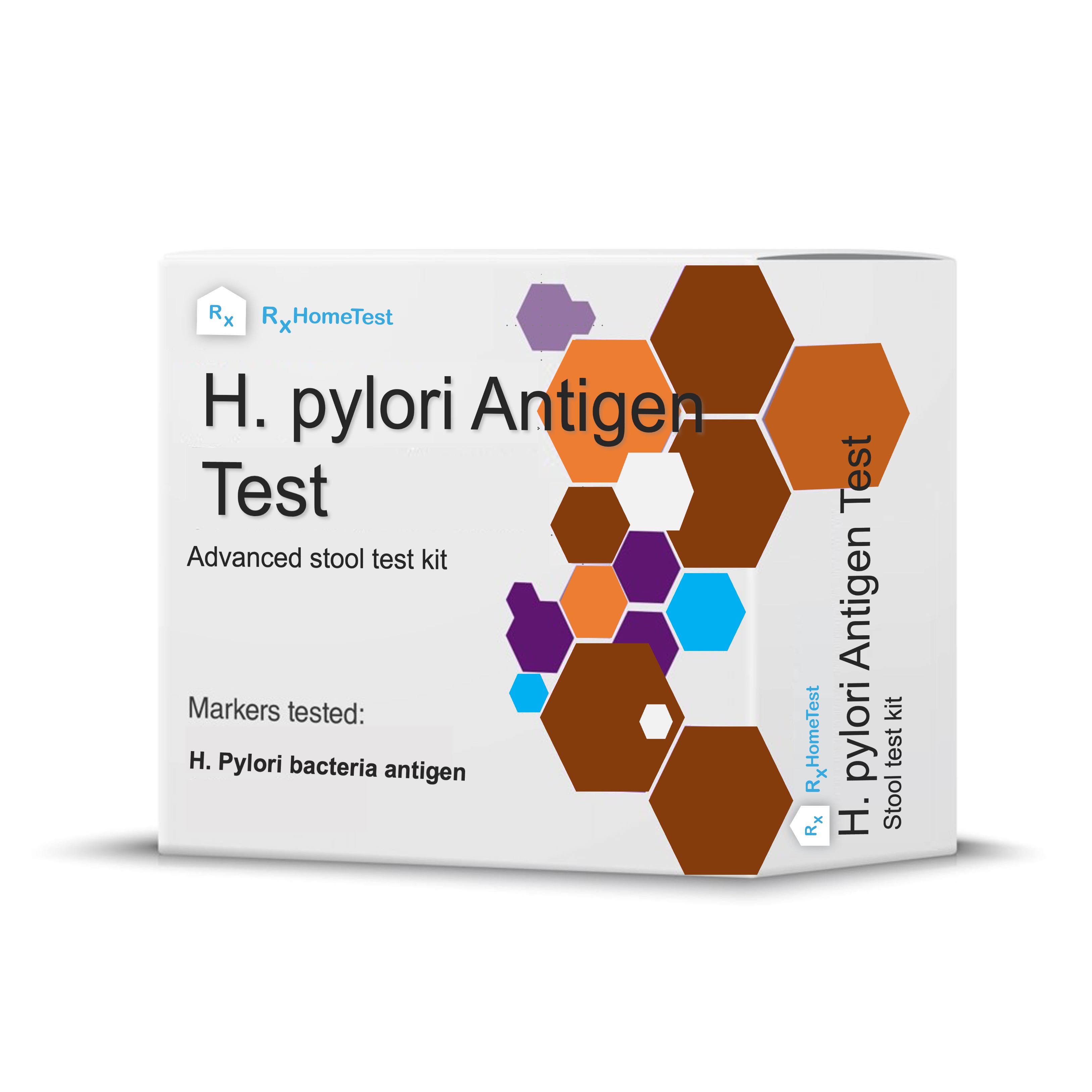
Order an at-home H. pylori antigen test.
Stomach Ulcers and H. pylori – take a deep dive into the cause of ulcers.
H. pylori and Acidity - Key Facts – find out how the bacteria contribute to acidity.
Are At-Home Tests FSA/HSA Eligible – read before you order a test kit.
H. pylori Antigen vs PCR Test - What's the Difference? – learn the key differences.
