How measurement of neurotransmitters can help?
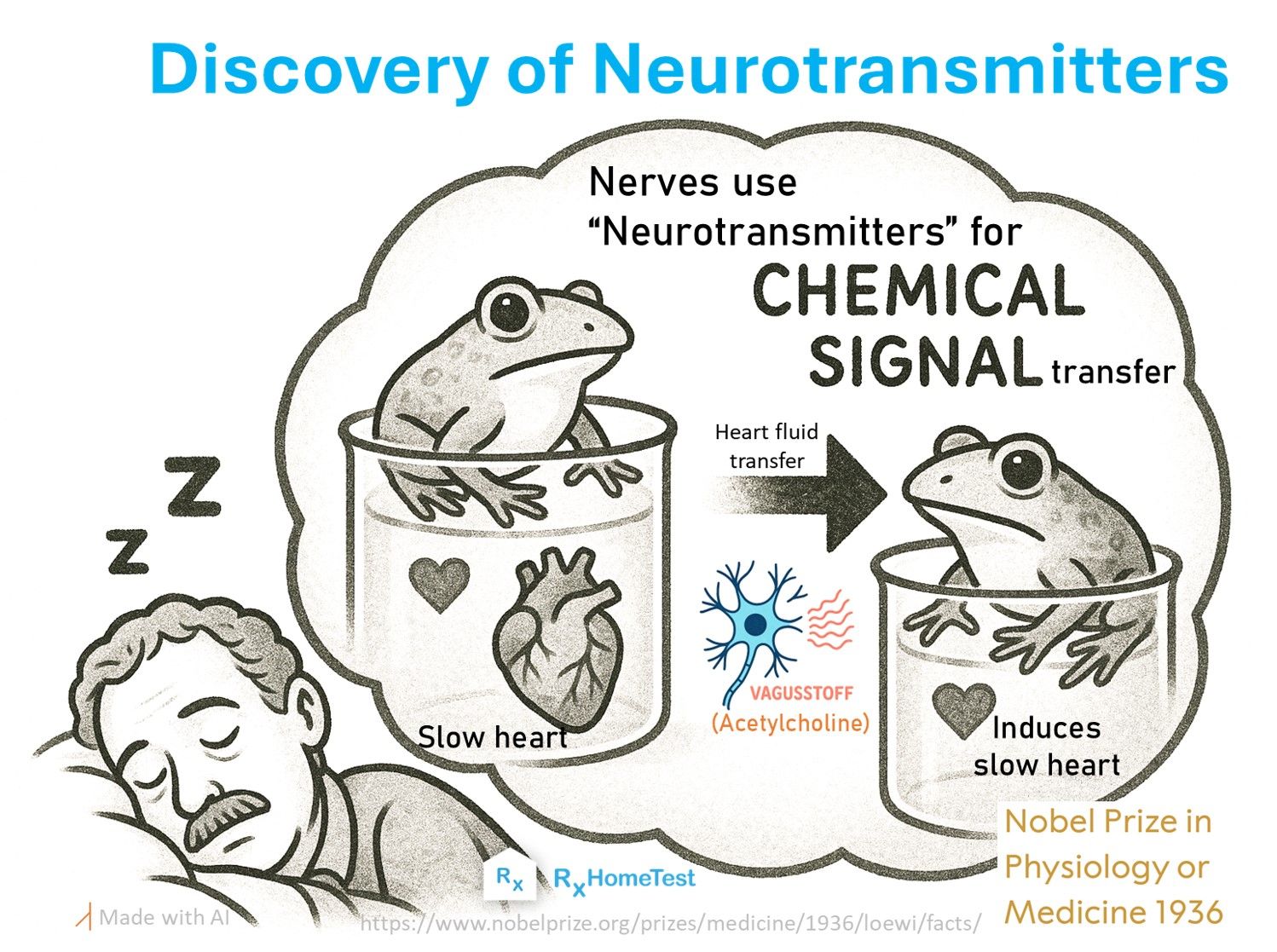
Neurotransmitters are chemicals that carry information between neurons throughout our body.
First discovered in 1926, there are over one hundred such chemicals are known today.
Along with neurons and their receptors, they play important roles from simple signal transfer to more complex tasks of forming memories.
Abnormal neurotransmitters levels offer important health information.
They have been associated with many symptoms including cognitive and mood concerns, diminished drive, fatigue and sleep difficulties, cravings, addictions and pain, and abnormal abundance and diversity in the GI microbiome.
More specifically, they are useful for confirming symptoms related to
Mood concerns, such as depression, anxiety
Diminished energy and fatigue
Insomnia and irregular sleep
Cognitive concerns such as forgetfulness, inattention, brain fog
Addiction, dependency on alcohol, drugs, etc.
Obsessions and cravings
Chronic illness, immune deficiency
Pain
Low libido, sexual dysfunction
What neurotransmitters are measured with this test?
This test checks over 11 key neurotransmitters and their ratios:
Serotonin: is a key chemical with calming effects while giving the feeling of well-being. It is known for symptoms of feel-good, euphoria, general happiness, satisfaction, and optimism. Serotonin helps with depression, sleep and memory. It is known to lower stress and anxiety, and plays a key role in regulating body temperature, bowl movement, and appetite.
Dopamine: is known to improve mental focus, attention, and motivation. It helps in increasing blood pressure and feelings of pleasure and satisfaction. It is useful in decision making and gives the feeling of control. Low levels can cause anxiety, and mental illnesses such as depression, ADD, OCD, schizophrenia, and psychosis. Very high levels of dopamine can cause hyperactivity, mood changes, insomnia, and difficulty in focusing.
Epinephrine: is also called adrenaline. As a hormone and neurotransmitter, it is key to body's evolutionary 'fight or flight' response. High levels make us alert and focused. It also helps with bowl movement, blood pressure, blood glucose, digestion, sleep, and heart rate.
Norepinephrine: is very similar to epinephrine in chemical structure and function. Instead of heart, it's role is focused on blood vessels and blood pressure.
Norepinephrine / Epinephrine ratio: is important to understand the conversion of norepinephrine to epinephrine.
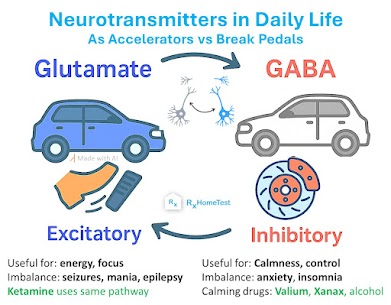
Glutamate: (glutamic acid) is brain's chemical ON switch that helps with appetite, memory, libido, sleep, thinking and learning. Low energy, insomnia, lack of focus, fatigue, agitation, and depression are often associated with glutamate.
GABA: (gamma-aminobutyrate) is brain's chemical OFF switch to control high levels of excitement. It helps reduce anxiety, blood pressure, blood glucose and helps improve mood, sleep duration, muscle relaxation, and insulin release.
Glycine: is another simple amino acid that is one of the building blocks of our DNA. It has anti-inflammatory properties and helps in calming aggressive behavior, improving sleep, and stabilizing blood glucose. Low glycine levels can affect folic acid (Vitamin B) levels.
Histamine: is known to cause itching at sites of injury. It helps reduce pain, and has important roles in staying awake, weight loss, appetite, cognition, and memory.
Phenyl Ethylamine (PEA): promotes energy, elevates mood, and regulates attention; also contributes to aggression, serves as a biomarker for ADHD, bipolar disorder, and schizophrenia. High levels can cause anxiety, lack of concentration, insomnia, and inflammation in the body.
Creatinine: not a neurotransmitter but tested to assess urine concentration. It is a marker of kidney function and high values are associated with low hydration (and vice versa).
What steps I need for this test to check my neurotransmitters levels?
The kit includes a urine tube for morning sample collection.
When you wake up and get out of bed for the day, you can collect either the 1st morning void of the day or the 2nd morning void.
It's recommended to collect a midstream specimen of urine in the collection cup and transfer to the tube up to the fill line.
For this test, freeze the urine sample for at least 4-6 hours and keep frozen with the frozen ice pack until ready to ship.
Then mail using the included return envelope.
Please note: If you suspect kidney damage or compromised renal function, a 24-hour collection is a better option to accurately assess excretion of the neurotransmitters.
Be informed, read more
For a thoroughly detailed discussion on neurotransmitters in our diets, please read this excellent review here.
Q: Can I purchase the test across US?
A: Except New York our tests are available in all 49 states. State regulations in NY do not allow us to ship the tests to their residents, see the note above if you're a NY resident.
Q: What does the kit contain and how do I use it?
A: The kit contains a urine collection tube, instructions on how to collect the samples, an ice pack to ship it frozen and a form requesting basic information including date and time of collection. The directions are straightforward and easy to follow.
For orders within US, it includes a prepaid return envelope. For outside, a Commercial Invoice and additional details for cross-border shipping are included.
Q: How long does it take to receive the results?
A: According to USPS, you will receive the kit within 3-5 business days in most cases.
After you ship the sample and it is received by our lab, you get the results in about 5-7 business days.
Q: What do I expect from the report?
A: The report with your test results will be easy to understand and will have all the necessary details.
It will mark your levels on a healthy range and will specify what are the expected low and high ranges.
It will briefly discuss what your numbers mean and next steps you should take to maintain healthy levels.
You can download a sample report by clicking Get Sample Report above on this page.
Q: Can I use my insurance to pay for the test?
A: You can use HSA (or FSA/MSA/HRA) accounts to pay for the tests since these are prescription tests (for further confirmation, please check the IRS publication#969).
However, please ensure you are not going outside your specified max and min deductible limits.
We do not have the capability to process the insurance claim.
Since insurance plans vary for individuals we can not guarantee your HSA payment will always be processed by your plan.
We suggest talking to your insurance provider if you have any questions.
Q: How reliable are my tests and how do I ensure my results are accurate?
A: Measuring neurotransmitters is still a new field that is being researched and documented.
The variations in results are mainly from two sources: the way samples are collected and the variation from lab-to-lab.
To minimize the first variation, we provide detailed instructions on how to collect the sample.
To minimize the variation from labs, we have partnered with CLIA-certified labs that are regulated by the states, as well as Centers for Medicare and Medicaid Services (CMS). Majority of the tests from these labs are FDA approved to ensure they meet the proper regulatory requirements. Additionally, the College of American Pathologists (CAP) requires inter-laboratory tests to ensure the ranges established by each lab do not drift or are not out of acceptable ranges. This is done by regularly testing reference samples between different labs. Finally, the labs test thousands of samples for different age groups and health conditions, and have well established reference data to compare your results against this large pool.
Q: Can you recommend what therapy should I take for cortisol levels high or low?
A: Unfortunately, no. As a lab test provider we can only test and report the results from your sample. We are not authorized to provide any medical recommendations. But we strongly encourage you to discuss the results with your doctor for next steps.