Nutrition Profile Test
This at-home Nutrition Deficiency Profile measures key micronutrients to help identify potential deficiencies that may benefit from dietary or nutritional adjustments.
Low levels of nutrients such as iron, vitamin D, B-vitamins, and ferritin may be associated with symptoms such as low energy, difficulty concentrating or forgetfulness, and sleep problems.
Good nutrition is essential for overall health, but it can be difficult to know whether you're getting enough of the nutrients your body needs.
The Micronutrients Test provides actual measurements to help you adjust your diet based on your individual needs, taking the guesswork out of nutrition.
Our Nutrition Profile Test is simple, reliable and requires just a few steps:
Order Online.
Receive Your At-Home Nutrition Deficiency Test Kit and Collect Sample at Home.
Ship It Back For FREE* To Our World-Class CLIA Labs.
Receive Secure, Confidential, & Easy-To-Understand Report Within Days** for Your Comprehensive At-Home Nutrition Profile Test.
* Includes free shipping of the kit to Canada & most other countries. Free return shipping of the sample back to the lab is available only within US (but necessary paperwork is included for cross-border shipping).
** Please allow sufficient time to receive the kit, return the sample and testing by the lab.
Q: What is Nutrition Profile Test?
A: Certain essential micronutrients can only be provided by our diets (e.g., iron or folate).
Others are made by the body but can be adjusted with a properly balanced diet or supplementation (e.g., Vitamin D).
Most vitamins can't be made by the body and have to come from the diet.
However, it might not be always clear whether your diet is supplying them properly.
The Nutrition Profile or Deficiency Test allows checking six key micronutrients.
Q: What does the test check for?
A: The test report includes five key essential micronutrients and markers:
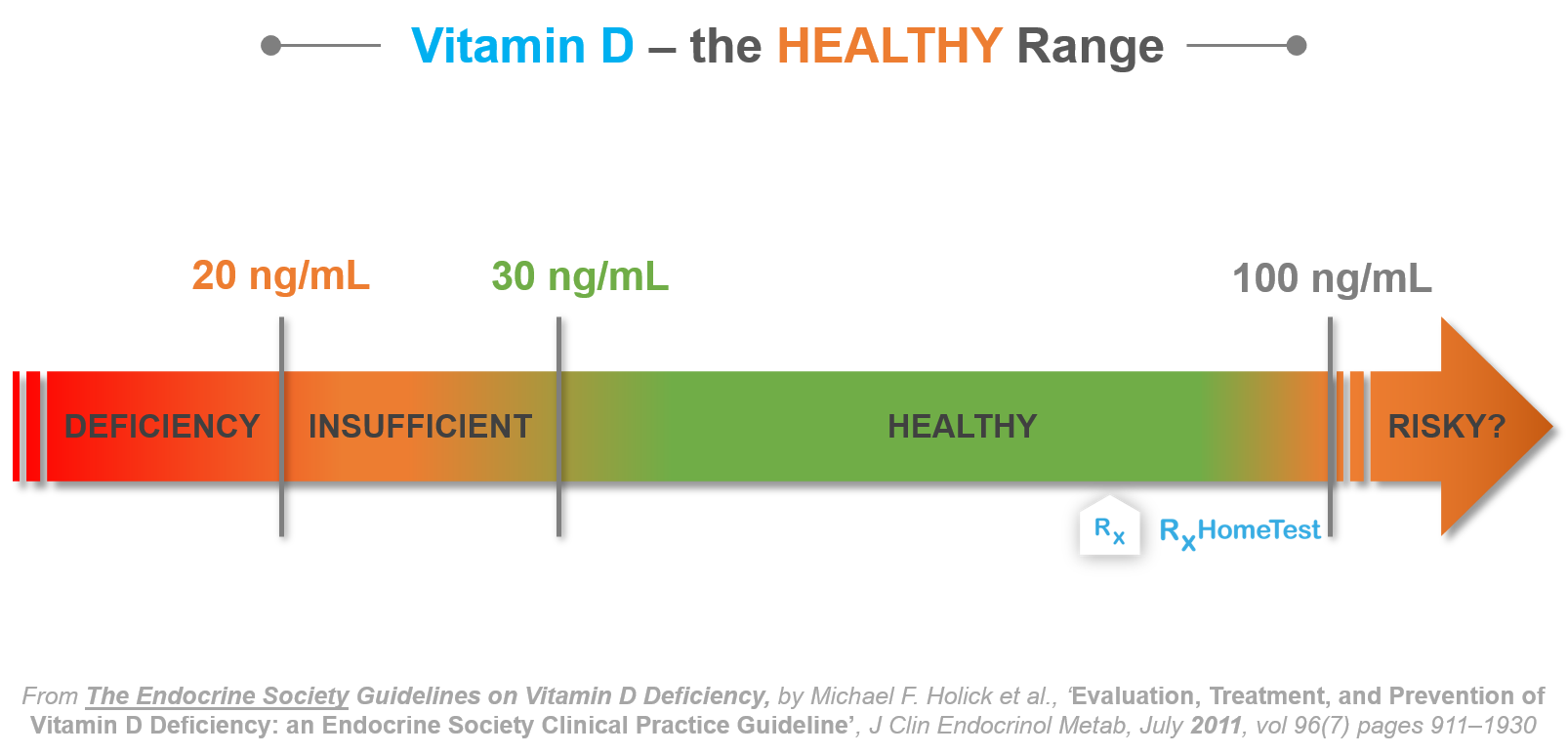
Vitamin D: made by the body on exposure to sun, but a vast majority of people are deficient. It can be easily supplemented once low levels are identified. Vitamin D is known to be beneficial in so many different ways include mood, anxiety, stronger bone and heart health.
Folate (or Vitamin B9): normally comes from foliage or green leafy plants and vegetable. Low levels often relate to fatigue, forgetfulness and being tired.
Vitamin B12: essential for red blood cells and maintaining proper energy levels.
Iron: gives the characteristic red color to blood and is critical in children and young women for growth and pregnancy. According to CDC, iron deficiency is surprisingly common: 1 in 7 women and about 1 in 20 men have iron deficiency. Low levels often cause fatigue and low energy but high levels are known to reduce life span and organ failure.
Ferritin: another important marker of iron deficiency. It is the protein that stores iron and insufficient levels might lead to improper absorption of iron even when you are supplementing.
Q: What other testing can you recommend?
A: We offer several other relevant testing options:
MTHFR Test - for understanding your ability to absorb folate (Vitamin B9); certain genes reduce the ability to absorb and might require extra supplementation.
Iron Deficiency Test - for more comprehensive testing to understand your levels, especially among children, women planning a pregnancy, and those over 50 years of age.
Q: Where can I read more about micronutrients?
A: The NIH's Office of Dietary Supplement has scientific recommendations for key micronutrients.
For a short description of each micronutrient, try the following pages:
NIH's office for consumer report, try this page on folate (B9).
For iron and ferritin, try this CDC page.
You can learn about Vitamin D ranges here.
Q: Can I purchase the test across US?
A: Except New York most of our tests are available in all 49 states. State regulations in NY do not allow us to ship the tests to their residents and should be received and collected outside the state.
Q: What does the kit contain and how do I use it?
A: The kit for our at-home nutrition profile test contains a blood card to collect few drops of blood, a pair of lancets for finger-pricking, instructions on how to collect the sample, and a form requesting basic information including date and time of collection.
The directions are straightforward and easy to follow.
Q: How long does it take to receive the results?
A: In most cases, USPS deliver the kit within 3-5 business days. Your order includes a prepaid return envelope (for orders within US).
After you ship the sample back and it is received by our lab, results are normally available within 5-7 business days.
For orders outside US, we provide shipping to your address. However, you will need to find a way to return the sample back to the lab in US. Your kit will include the necessary paperwork for cross-border shipping.
Note: Once collected, the sample is valid for 12-14 days at room temperature. Therefore, please plan the shipping accordingly to avoid expiration and rejection.
Q: What do I expect from the report?
A: The report for your nutrients deficiency test will be easy to understand and will have all the necessary details. It will mark your levels on a healthy range.
The report will also specify what are the expected low and high ranges. It might briefly discuss what your numbers mean and what next steps should be taken to maintain healthy levels.
Q: Can I use my insurance to pay for the test?
A: You can use HSA (or FSA/MSA/HRA) accounts to pay for the tests since these are prescription tests (for further confirmation, check the IRS publication#969). However, please ensure you are not going outside your specified max and min deductible limits. We do not have the capability to process insurance claims. Insurance plans vary by individuals, therefore we cannot guarantee your HSA payment will always be processed by your plan. Please talk to your insurance provider if you have any further concerns. Reach out to us for an itemized invoice, if you need to submit one.
Q: How reliable are my results?
A: We have partnered with CLIA-certified labs that are used by physicians across the US. These labs are regulated by the states, as well as Centers for Medicare and Medicaid Services (CMS). Majority of the tests from these labs are FDA approved to ensure they meet the proper regulatory requirements. Additionally, the College of American Pathologists (CAP) requires inter-laboratory tests to ensure the ranges established by each lab do not drift or are not out of acceptable ranges. This is done by regularly testing reference samples between different labs. Finally, the labs test thousands of sample for different age groups and health conditions, and have well established reference data to compare your results against this large pool.
Q: Can you recommend what therapy should I take if my levels are high?
A: Unfortunately, no. As a lab test provider we can only test and report out data from your samples. We are not authorized to provide any medical recommendations. But we strongly encourage you to discuss the results with your doctor for next steps. For most micronutrients, it's easy to get over-the-counter supplements in case of deficiencies.