Article
How do we control our heart health?
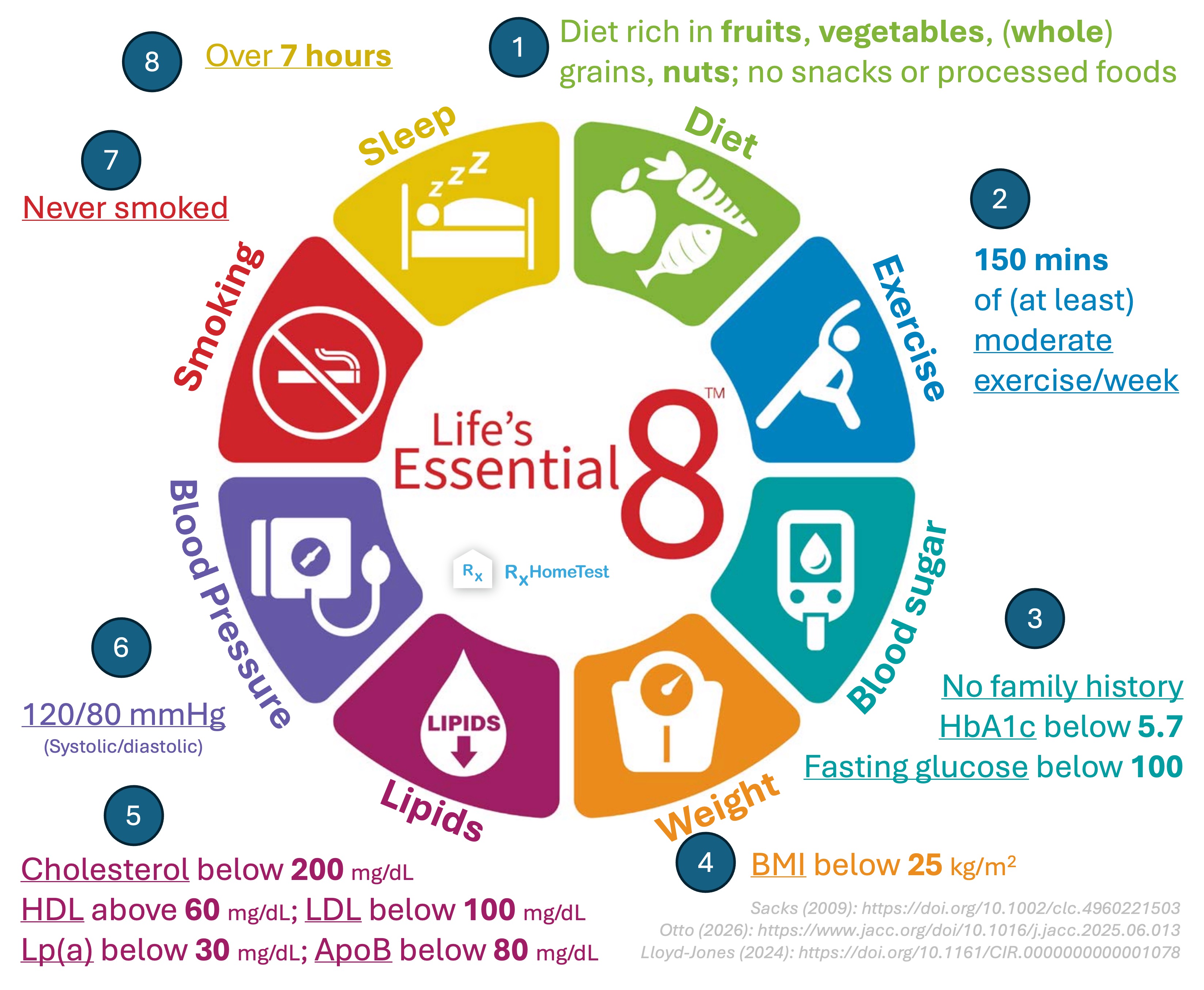
The American Heart Association breaks down the answer into eight key components and calls them Life's Essential 8™.
They include the following recommendations:
Diet - rich in fruits, vegetables, nuts, whole grains; minimal snacks or processed foods.
Exercise - over 150 minutes of moderate to intense exercise per week.
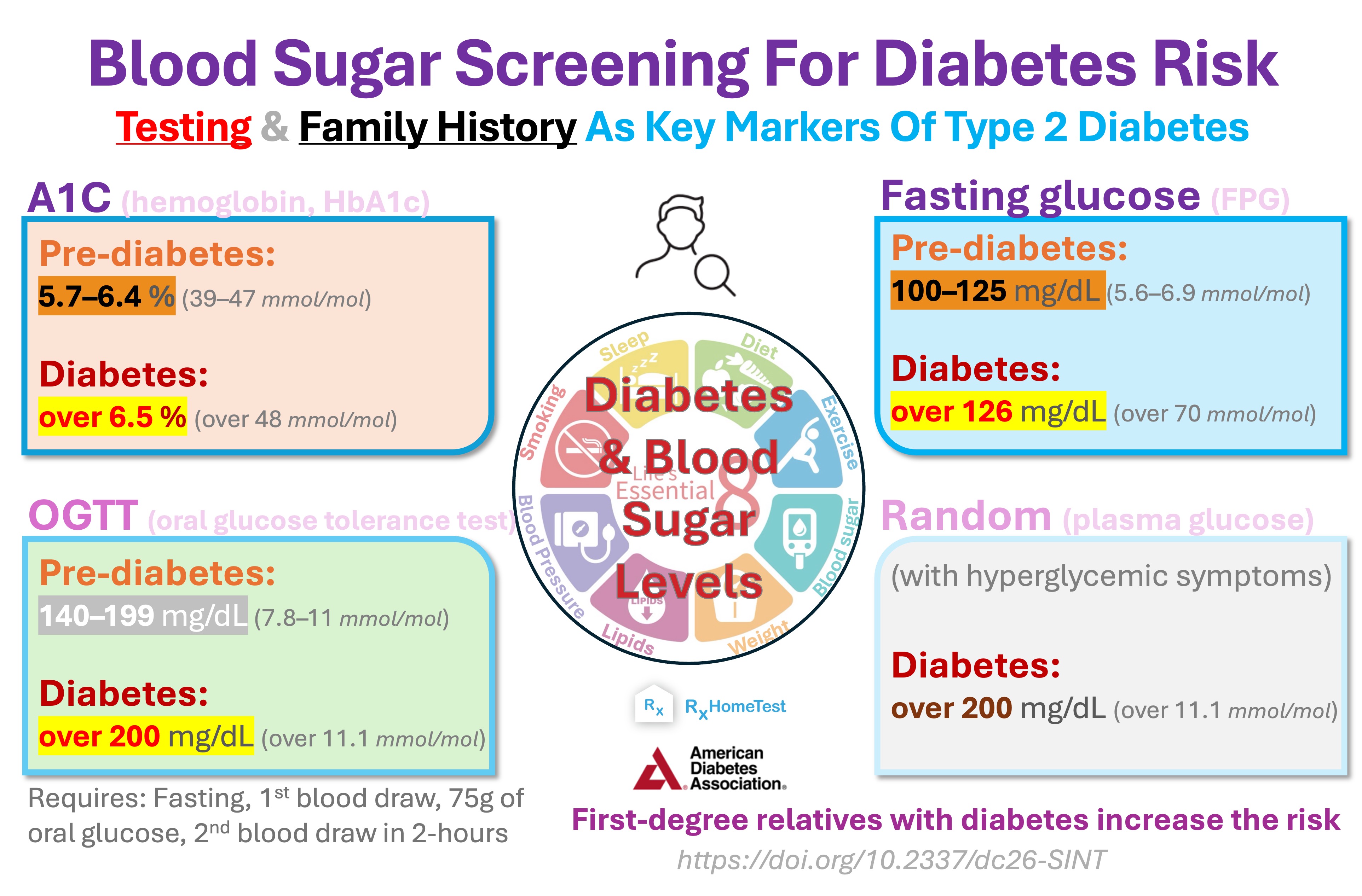
Blood Sugar - HbA1c levels below 5.7% and fasting glucose below 100 mg/dL; no history of first-degree relatives with diabetes.
Weight - BMI (body-mass index) of 25 or lower.
Lipids - cholesterol below 200 mg/dL, HDL above 60, LDL below 100, Lp(a) below 30, ApoB below 80; also, hs-CPR below 1 mg/L & fasting triglyceride below 150 mg/dL.
Blood Pressure - systolic/diastolic ratio of 120/80 mmHg.
Smoking - no past or current history of smoking.
Sleep - at least 7 hours of sleep per night.
We will discuss each component in detail and share what research suggests for each of them.
Our diets vary by regions, cultures, technological development, age and evolve over time.
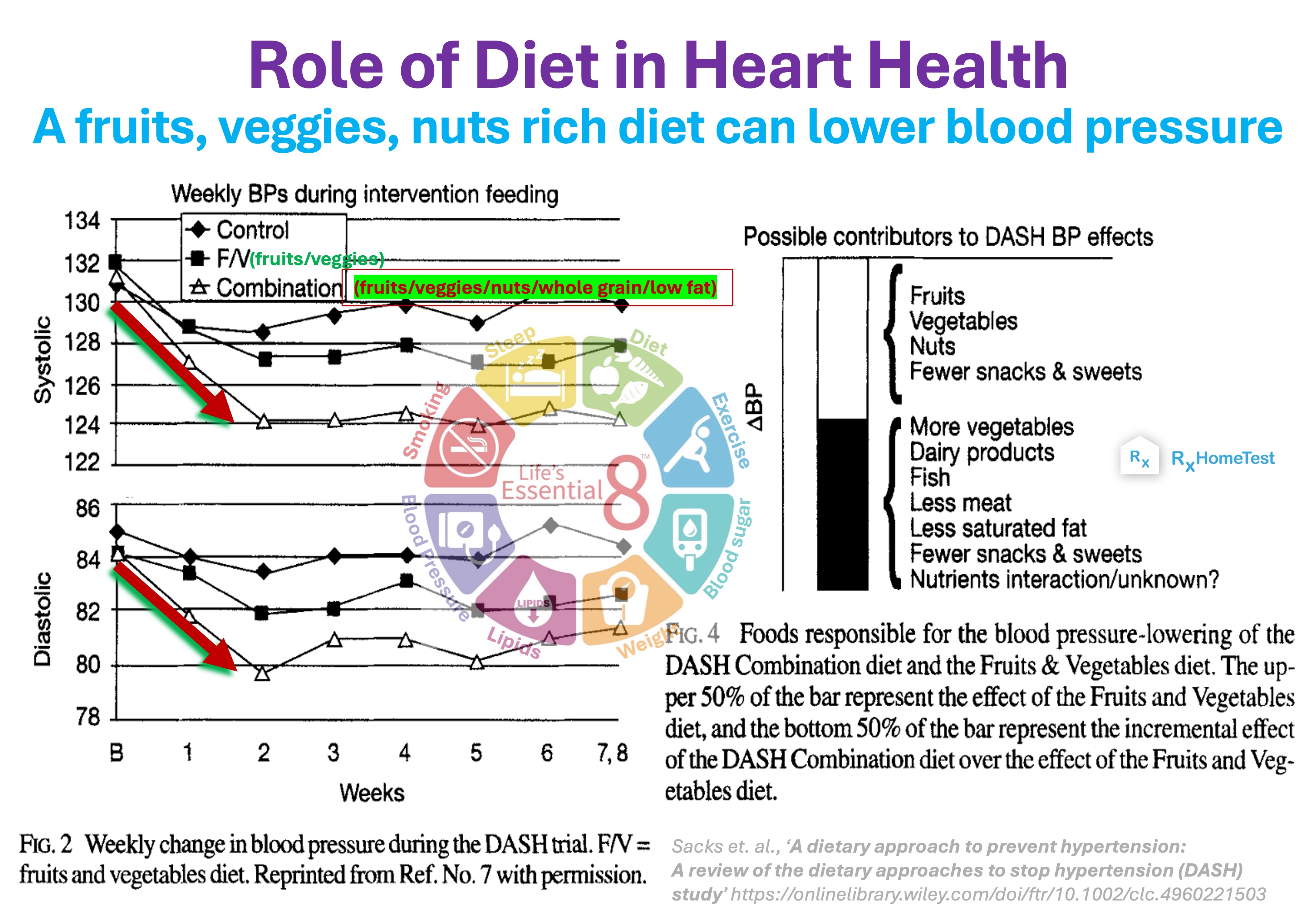
In general, studies show diets rich in the following components help lower blood pressure for a healthy heart:
Fruits
Vegetables
Nuts
Whole grains
Fish (but fewer portions of meat)
Dairy products
Fewer processed foods
No or minimal snacks
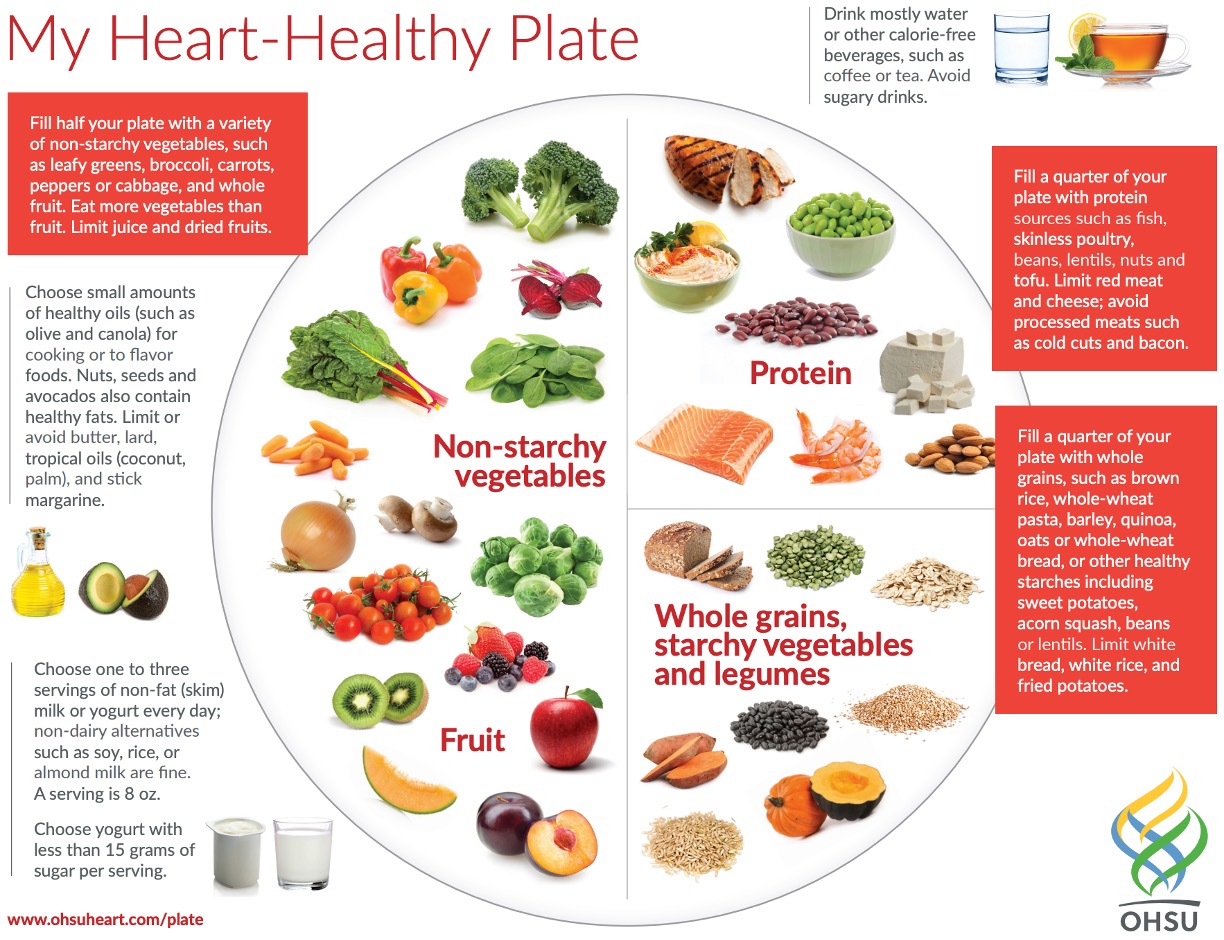
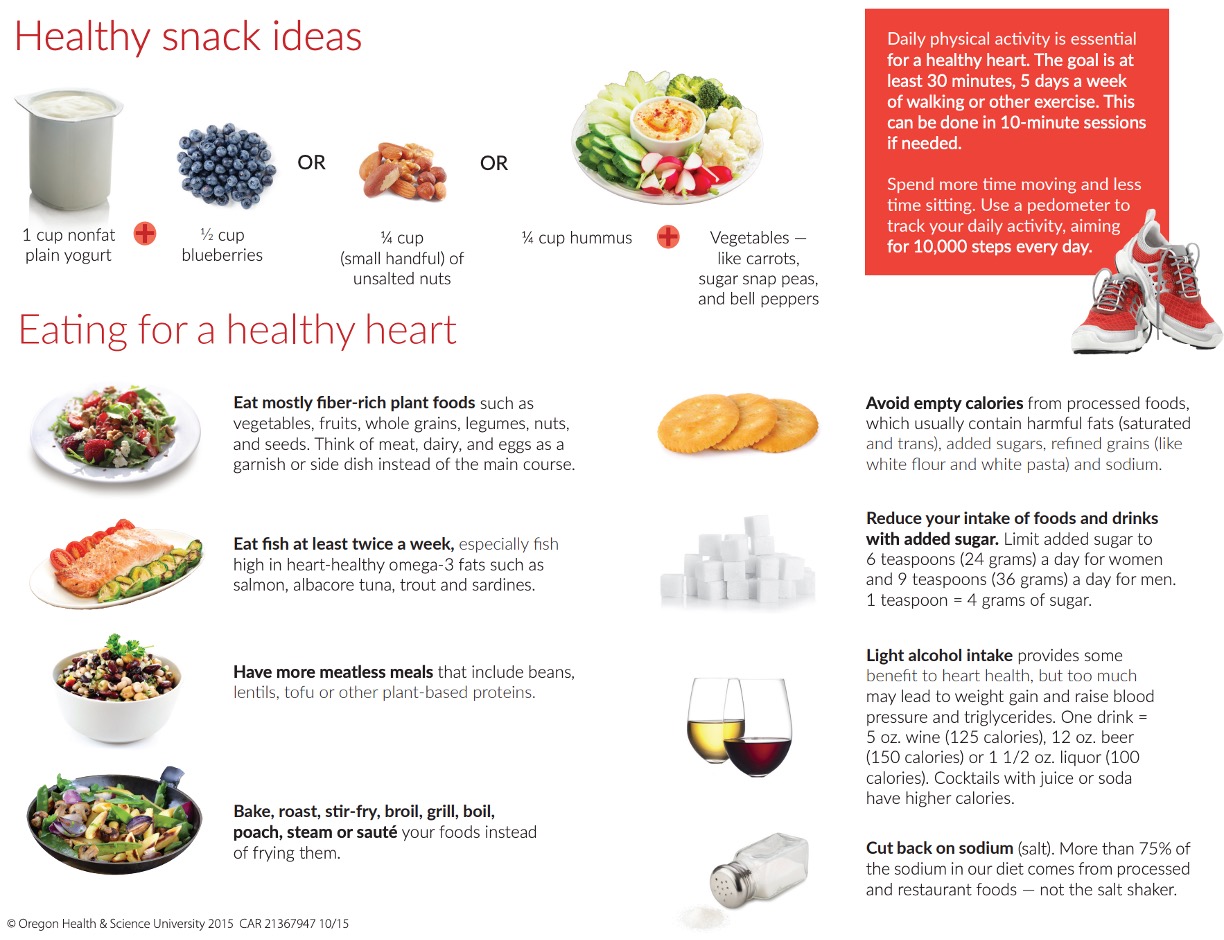
The following two infographics from OHSU Knight Cardiovascular Institute visually shows some of the recommendations for a healthy heart.
The DASH diet, designed to stop hypertension (that's why the name, Dietary Approaches to Prevent Hypertension), shows clear advantages in lowering blood pressure.
Additionally, there's a strong focus on controlling sodium and potassium in the daily diet as both of them have well-studied implications for heart diseases and blood pressure.
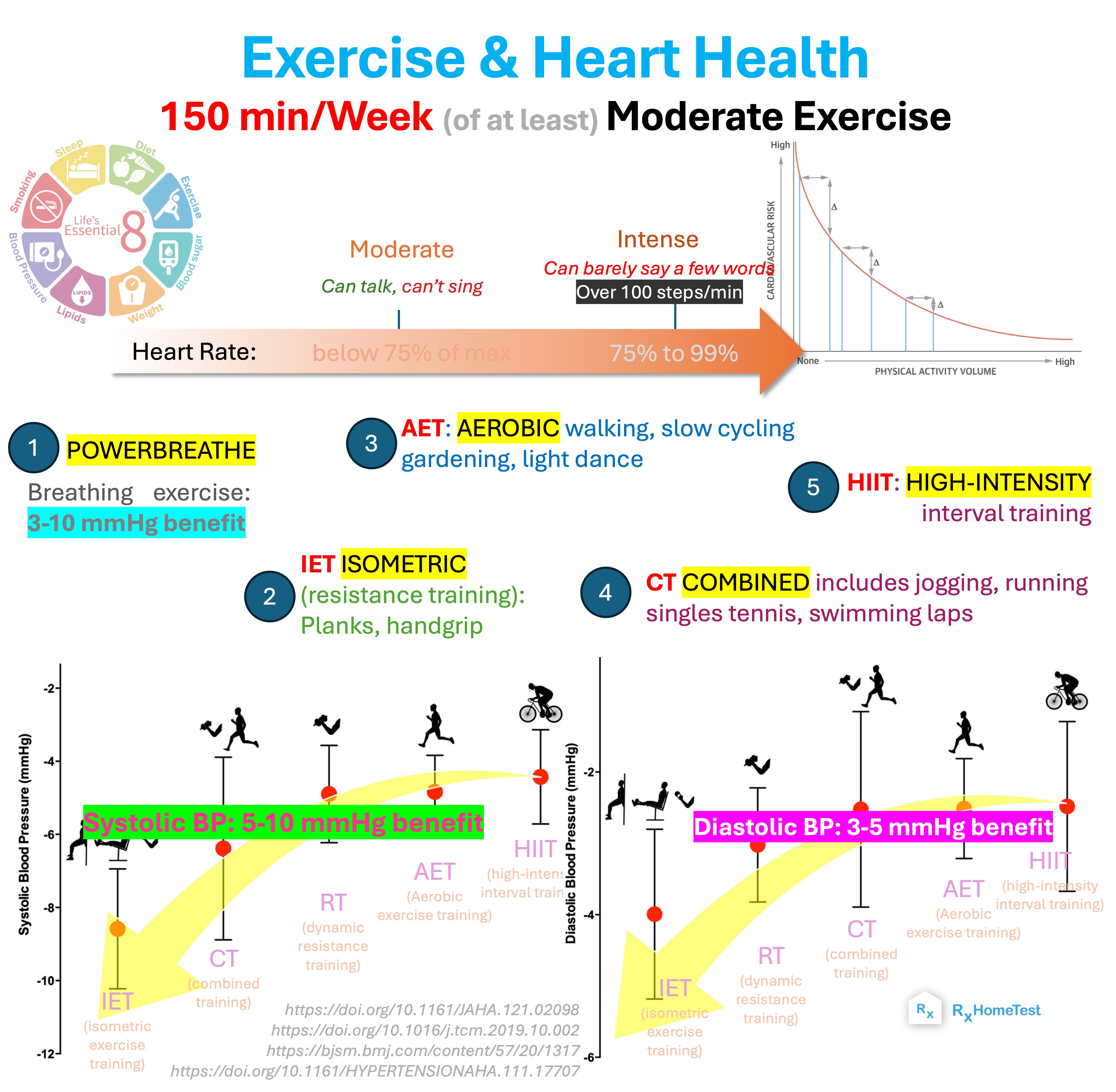
There are several key aspects of exercise that can help plan your next routine.
Generally, the more vigorous or intense exercise one does, better the health impact. However, high intensity exercise may not always mean more gains in reducing blood pressure.
But first, what's moderate or intense exercise?
CDC's 2018 Physical Activity Guidelines describe moderate exercise as a walk with upto 100 steps per minute, during which one 'can talk, but not sing'.
During vigorous exercise, one 'cannot say more than a few words without pausing for a breath'.
According to the calculator from American College of Sports Medicine, vigorous intensity of exercise means you are using at least 75% of your maximum heart rate.
As per ACSM, here's a way to calculate exercise intensity:
Approximate Maximum Heart Rate (HRmax) is 220 minus your age.
Multiply it by 0.75 to get a heart rate corresponding to vigorous exercise.
For someone 40 years of age, vigorous intensity exercise starts at a heart rate of (220-40)*0.75 = 135 beats per minutes, on a smart watch or wrist band.
Similarly, moderate intensity exercise require 65-75% HRmax, which corresponds to 117 to 135 beats per minute.
Although moderate to intense exercise is recommended, even certain simple exercises can make huge impact.
For example, this article from NPR reports a simple breathing exercise can help lower 3-10 mmHg blood pressure. It requires a small inhaler-like hand-held device into which one breathes to strengthen their lung and diaphragm muscles.
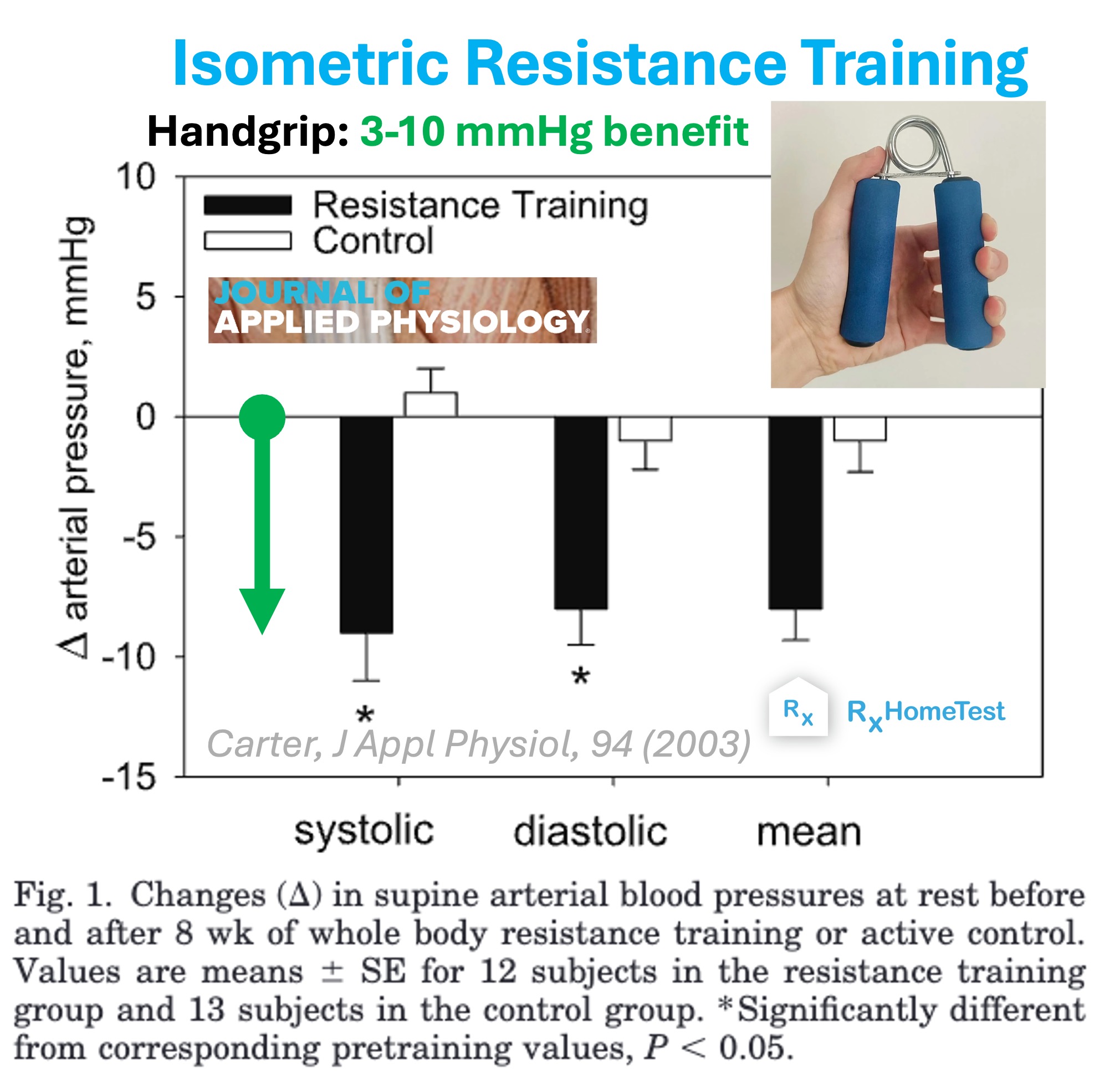
Similarly, isometric grip training as shown below also has clear benefits in lowering blood pressure.
In general, isometric training exercises, such as planks, resistance bands or combination of them has the best advantages.
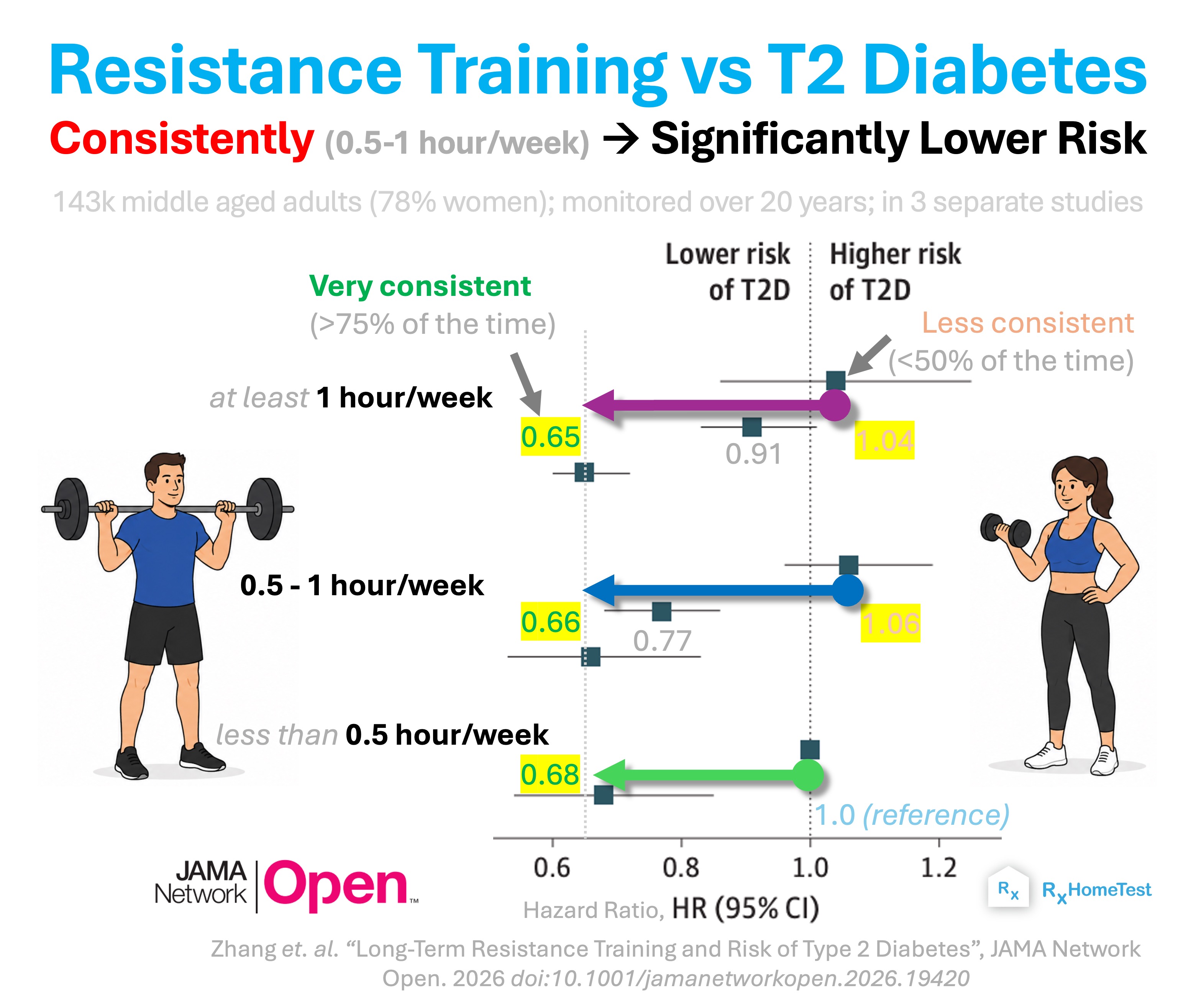
Consistency of exercise seems more important than intensity,hours or type.
A study of 143k people, at midlife, over 20 years, shows even small amount of resistance training, done consistently, can help lower the risk of diabetes significantly.
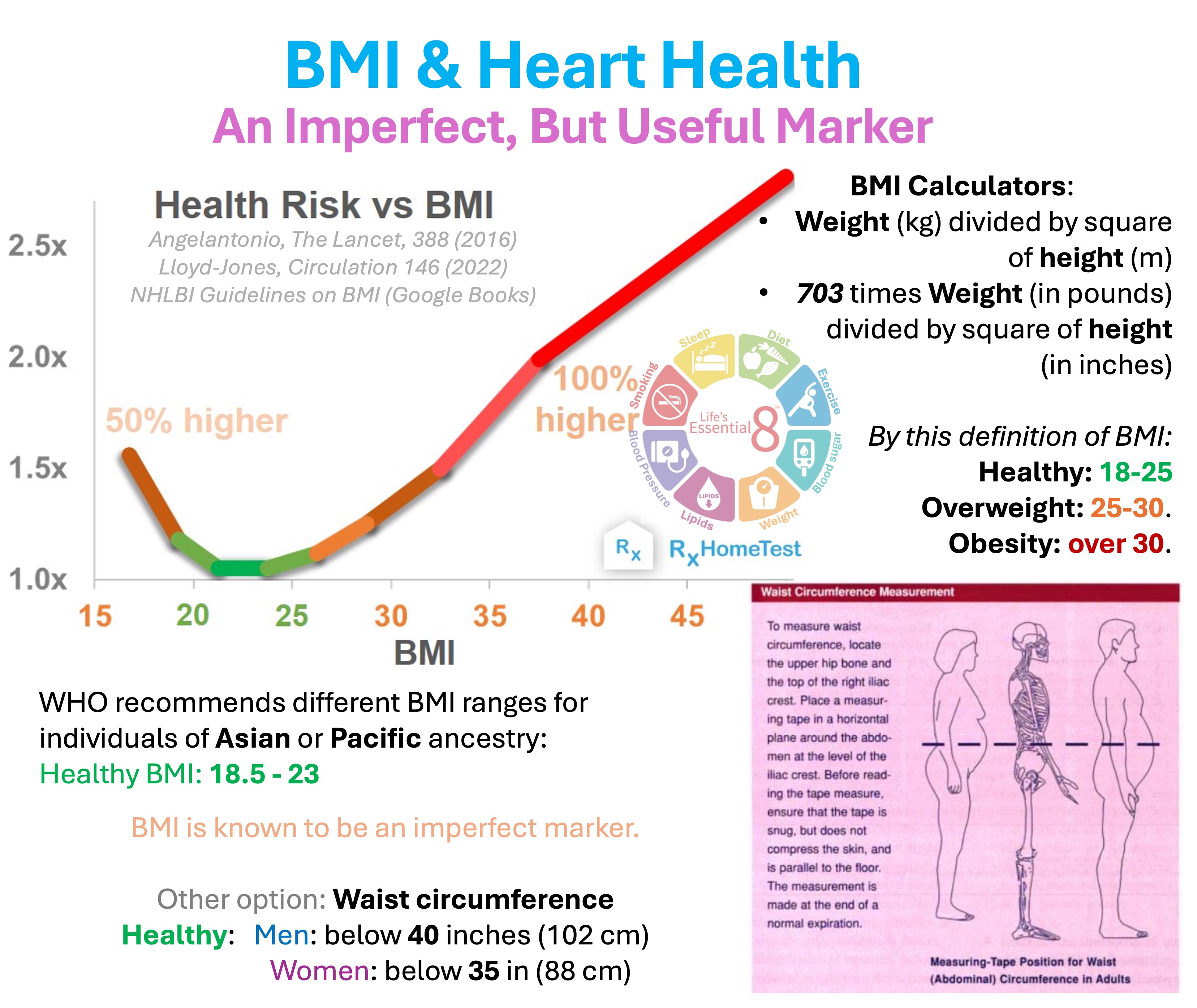
A body mass index below 25 kg/sq.m offers best advantage for heart health.
However, BMI is not an ideal marker and waist fat correlates better.
BMI values over 40 are considered extremely risky for heart health.
BMI calculators:
Weight (in kg) divided by square of Height (in m).
703 times Weight (in pounds) divided by square of Height (in inches).
By this definition, the ranges are:
Healthy: 18 to 25
Overweight: 25-30
Obesity: over 30
BMI depends on body composition and ancestry. That's why, the World Health Organization recommends different BMI ranges for people from Asia and Pacific Islands: the healthy range is 18.5-23.
An alternative to BMI is the waist circumference. The healthy ranges are:
Men: below 40 inches (or 102 cm)
Women: below 35 inches (or 88 cm)
Waist circumference should be measured just above the hip bone.
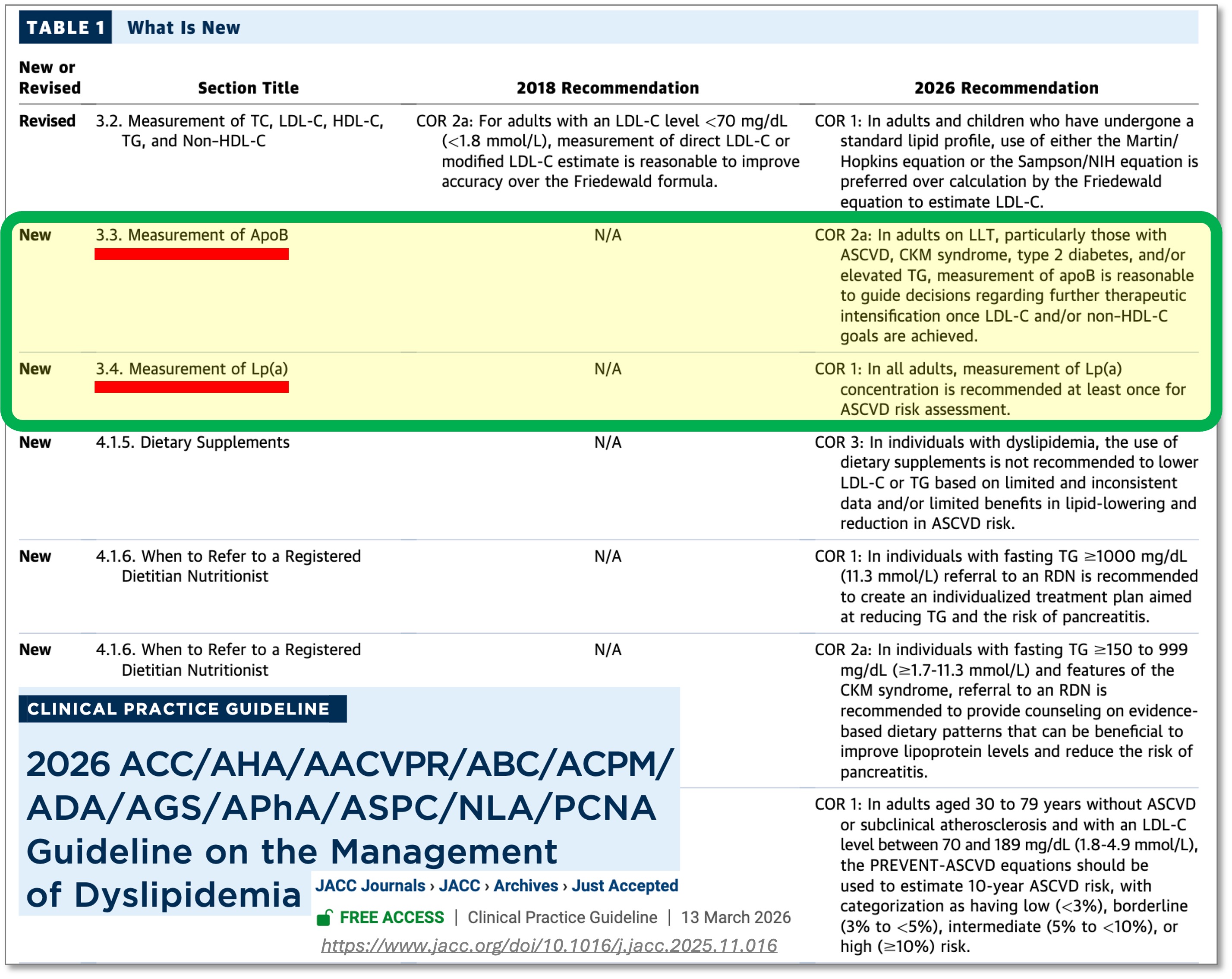
The 2026 JACC Clinical Practice Guidelines from American Heart Association's Joint Committee recommends testing for the following markers:
Total Cholesterol: below 200 mg/dL.
High-density lipoprotein (HDL): over 60 mg/dL.
Low-density lipoprotein (LDL): below 100 mg/dL.
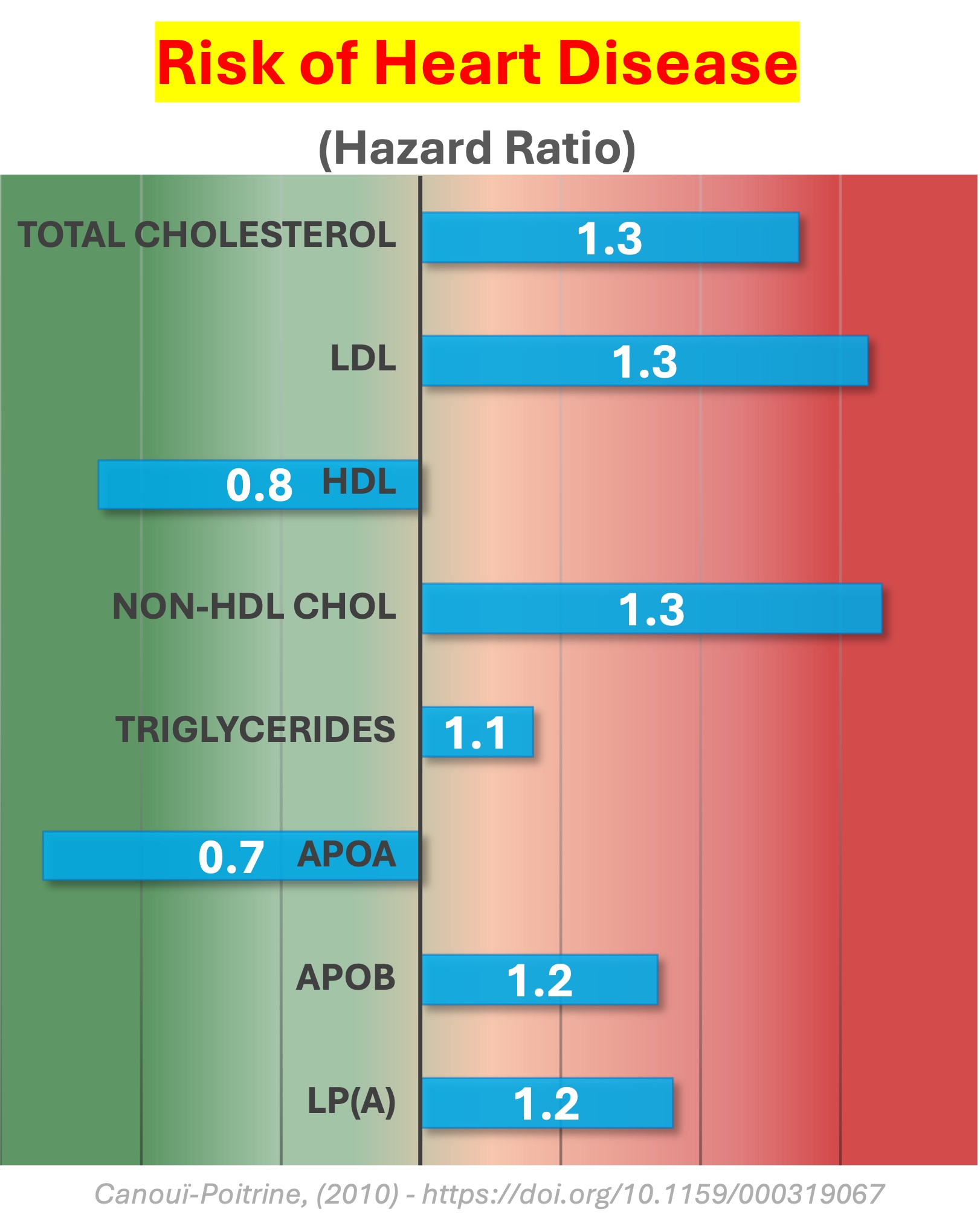
The latest guideline also include two new markers:
Lp(a): below 30 mg/dL (measured at least once in lifetime).
ApoB: below 80 mg/dL (helps confirm any residual cholesterol related risk beyond LDL, HDL and total cholesterol).
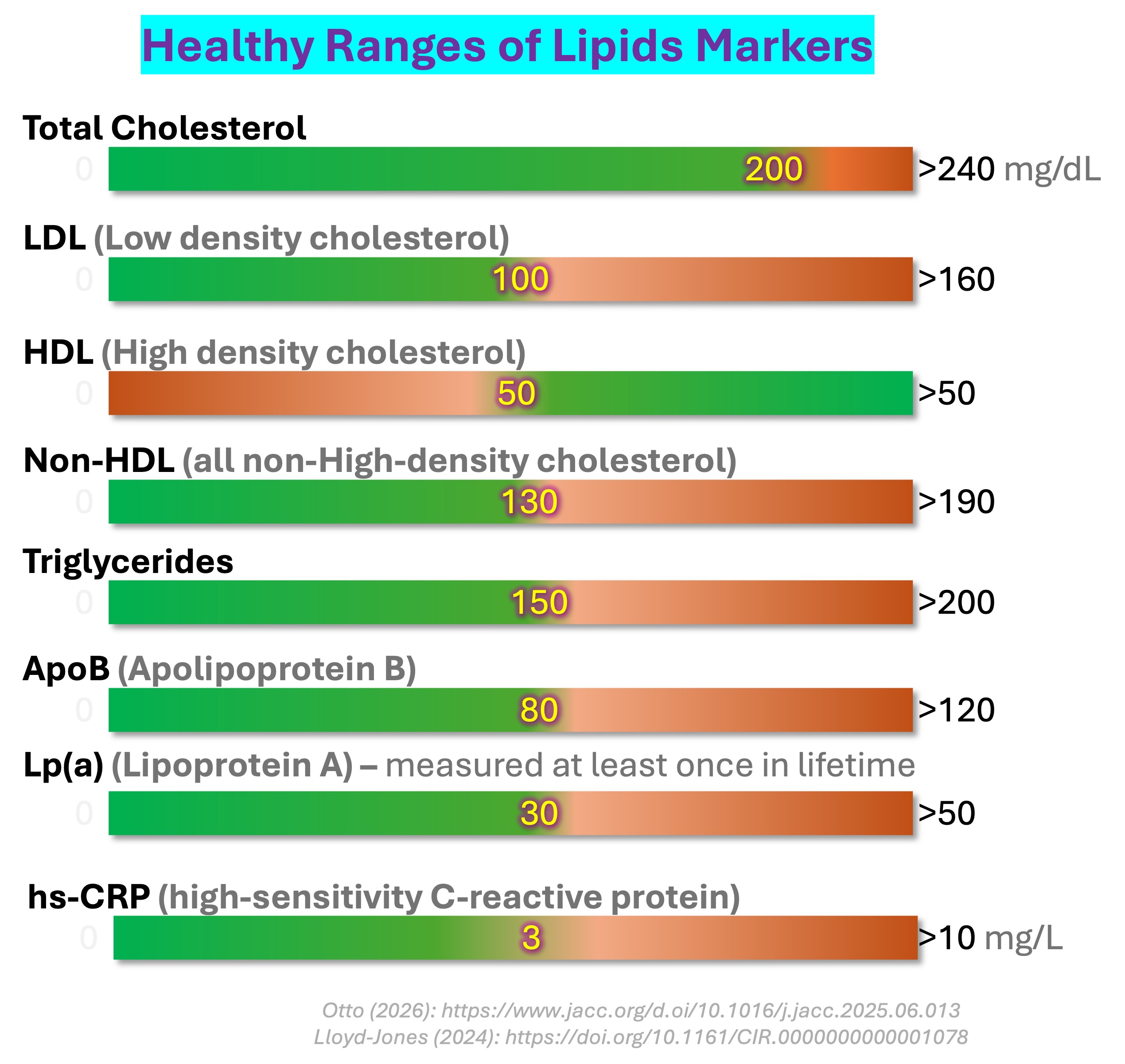
Another important marker of low-levels of inflammation that's not easy to manage includes measurement of high-sensitivity C-reactive protein (hs-CRP): ideally below 1 mg/L.
But values until 3 mg/L have lower risk; values above 10 are unrelated to inflammation from plaque and atherosclerosis.
This graph summarizes some of these markers:
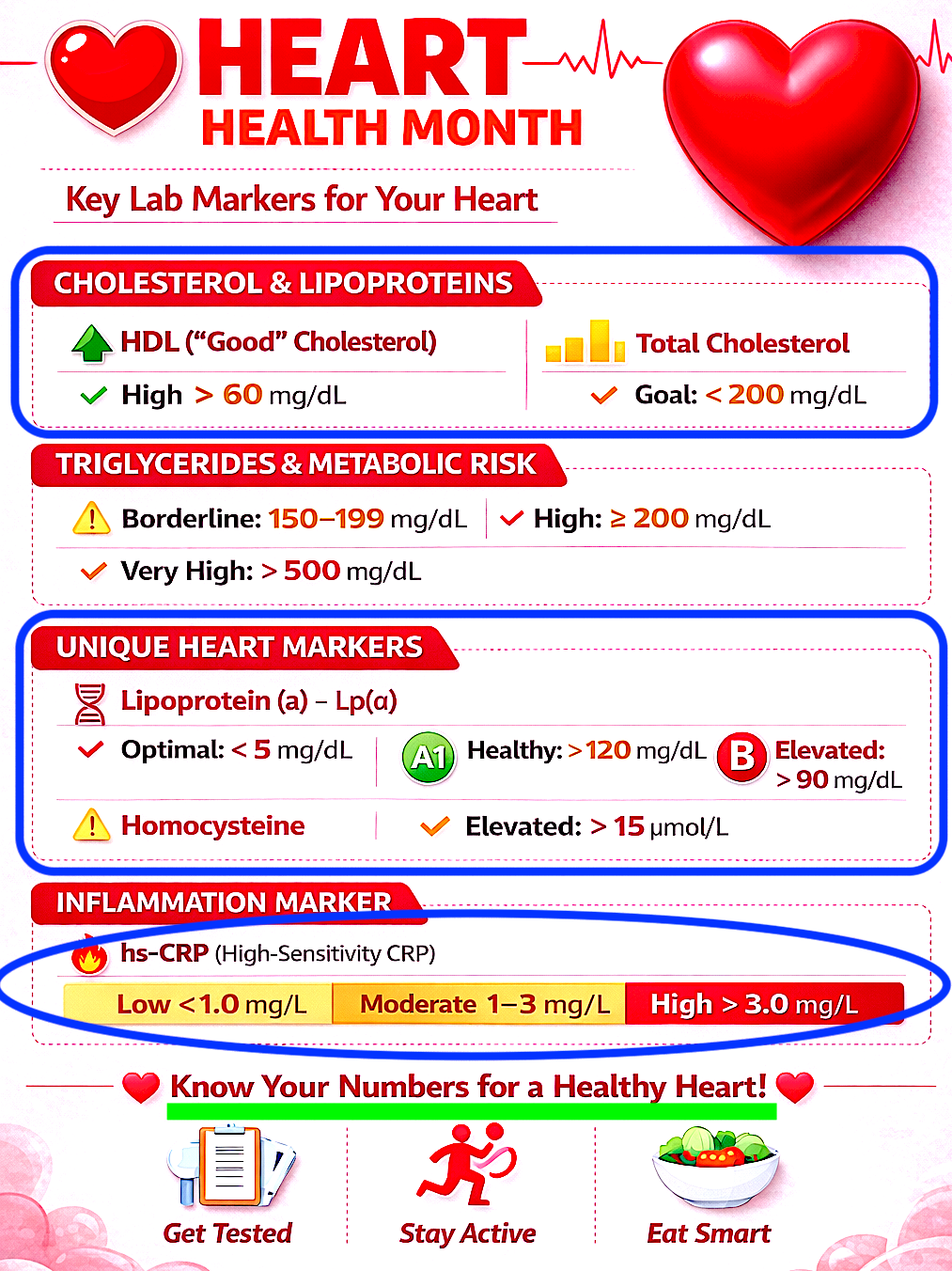
The latest 2026 JACC Guidelines from the experts in heart health now recommend measurement of Lp(a) and APOB.
Lower salt intake also has benefits in cholesterol and other markers.
The Cochrane Library, one of the most reliable sources of scientific data, says compared to higher sodium, a lower sodium diet lowered:
Cholesterol by 5.6 mg/dL
Triglyceride by 7 mg/dL
LDL by 3 mg/dL
Optimal values are 120/80 mm Hg, where the blood pressure values are:
Systolic: below 120 mm Hg.
Diastolic: below 80 mm Hg.
The risk ranges are:
Elevated levels: 130 and 80 mm Hg (SBP/DBP).
Stage 1 hypertension: 130-140 (SBP) or 80-90 (DBP) mm Hg.
Stage 2 hypertension: over 140 or over 90 mm Hg.
Values over 160/100 mm Hg are considered extremely high.
If blood pressure is lowered to these desired values through treatment, it still offers similar levels of advantages with minimal risk.
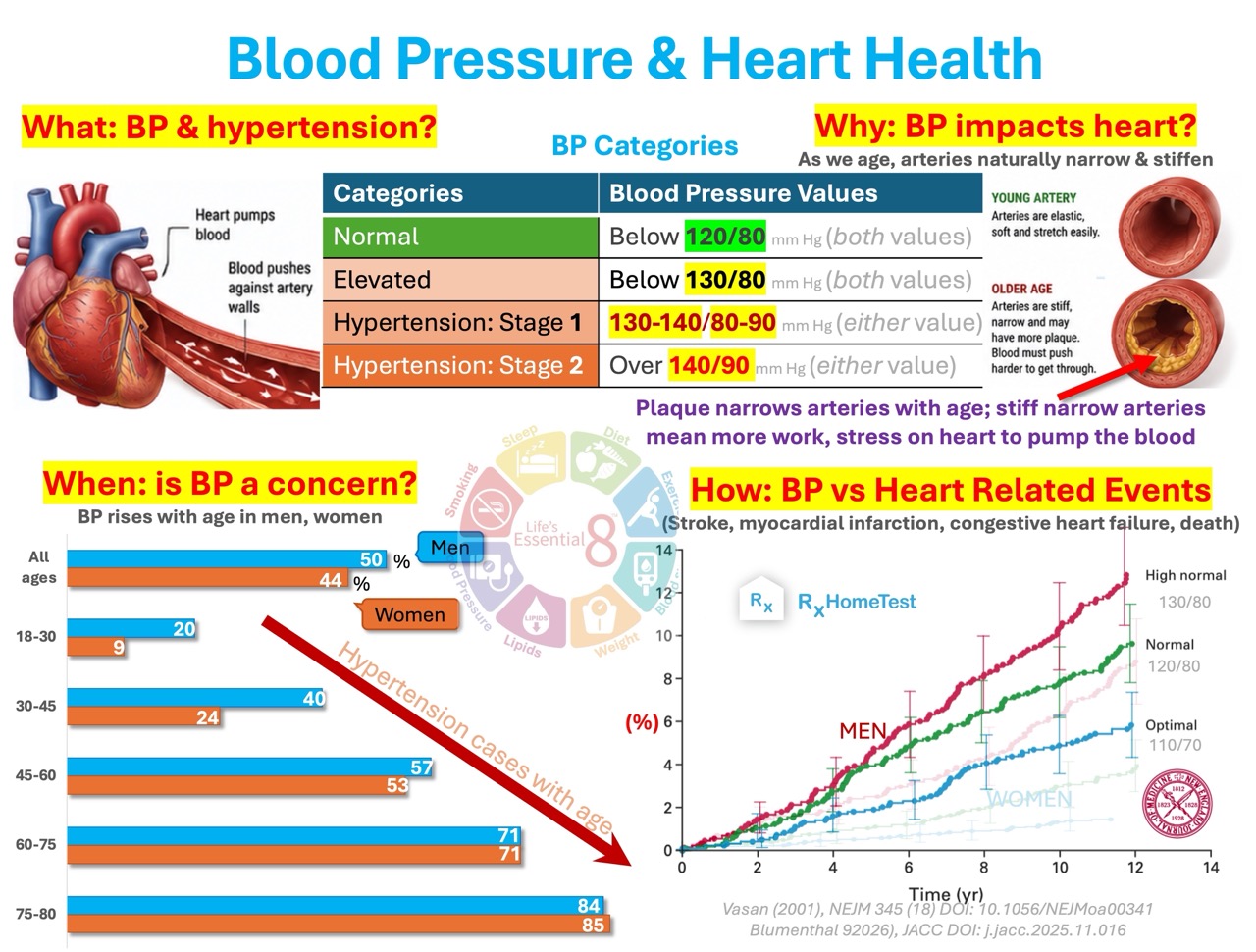
Although the plaque deposits narrow and stiffen the arteries causing high blood pressure with age, salt content in the diet is one of the biggest modulator or blood pressure.
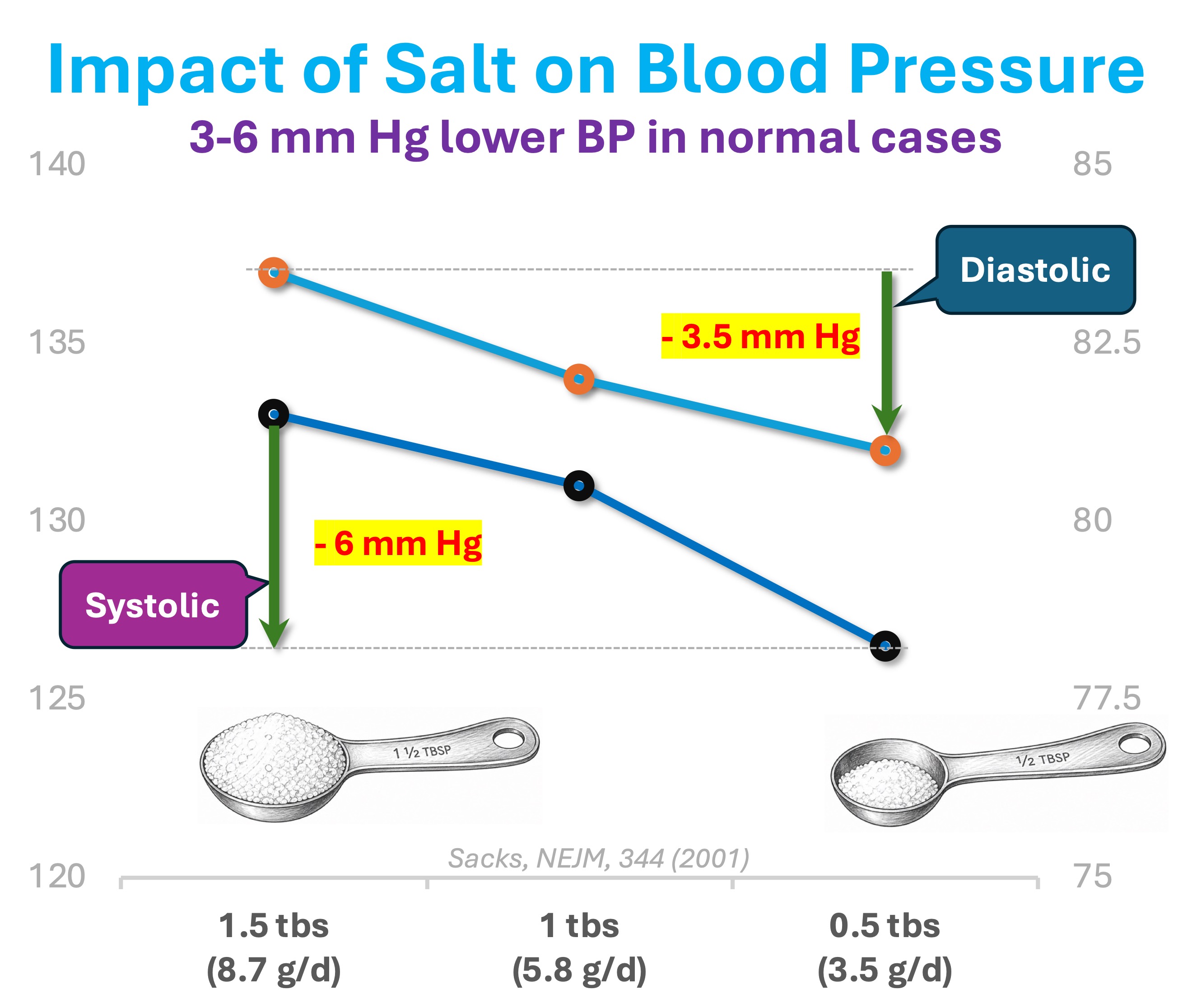
Figure above shows significant reduction in blood pressure in normal people when switched from high salt to low salt diet (Source: Sacks, NEJM 2001).
The benefits are generally even higher for those with elevated or stage 1 or stage 2 hypertension.
The highly reliable Cochrane Library, says that based on 185 different studies 'when the sodium intake was reduced from 11.5 g per day to 3.8 g per day,' the reduction in SBP/DBP in healthy people 'was about 1/0 mmHg, and in people with hypertension about 5.5/2.9 mm Hg'.
The benefits for people of non-European ancestry was even higher.
Ideally, the risk is minimal is minimal if one has never smoked.
Next best scenario is not having smoked for past five years.
There's a significant risk for those living with a smoker or sharing areas of active smoking.
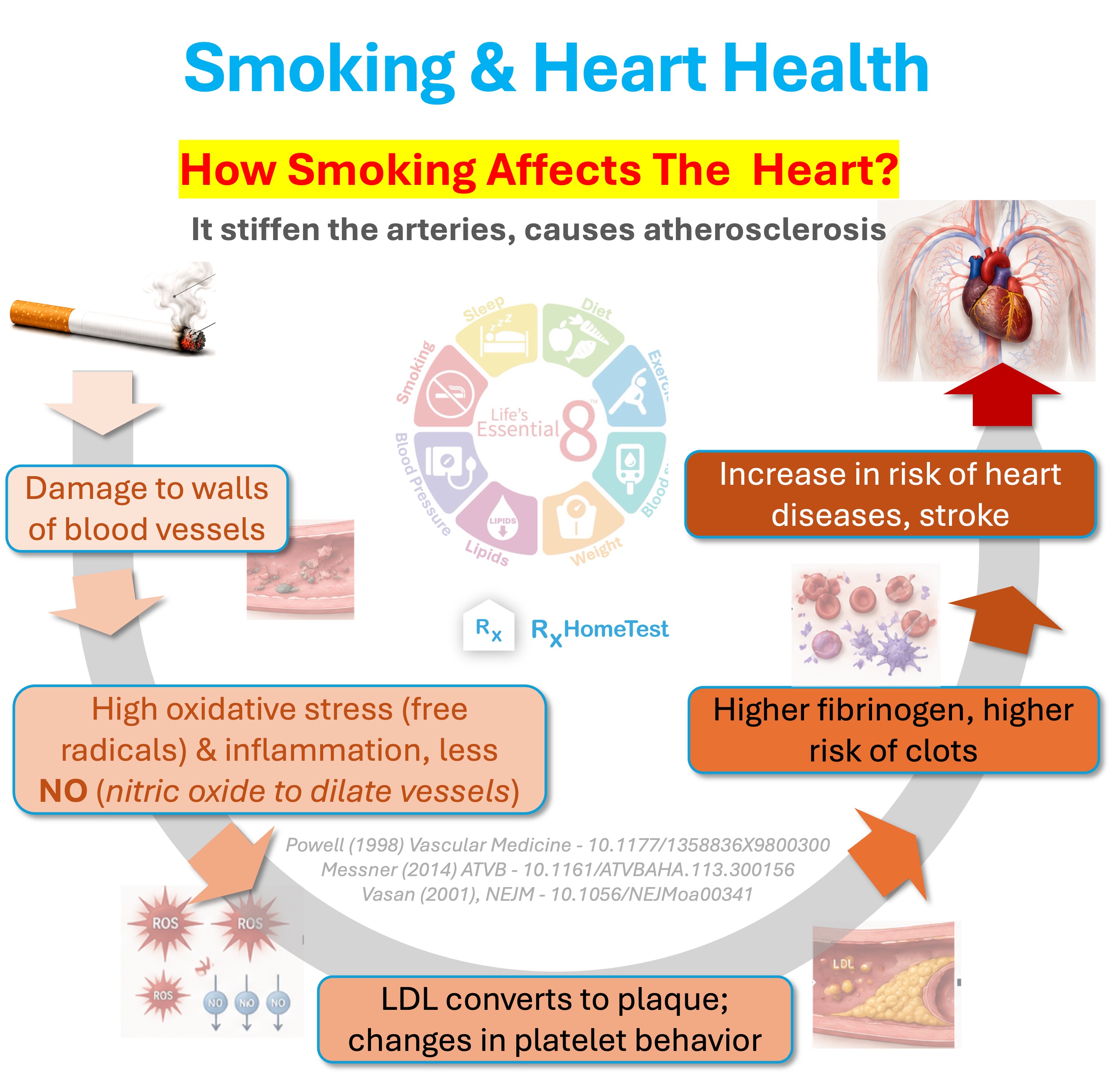
How smoking affects the heart?
Smoking damages the blood vessel wall, called endothelium.
This damage leads to inflammation and free radicals which are known to cause atherosclerosis.
Rise in inflammation has been shown to increase hs-CRP levels, a known marker of low levels of inflammation. Data suggest values for smokers rise over 2 mg/L which are detrimental to the heart.
Also, there's a reduction in nitric oxide (NO), which is important for dilation of the vessels.
The buildup of plaque over time, by oxidation of LDL, and due to other factors, results in higher fibrinogen levels leading to higher risk of blood clots.
All these factors combine to increase the risk of stroke, heart attack and cardiovascular disease.
What's the most optimal amount of sleep?
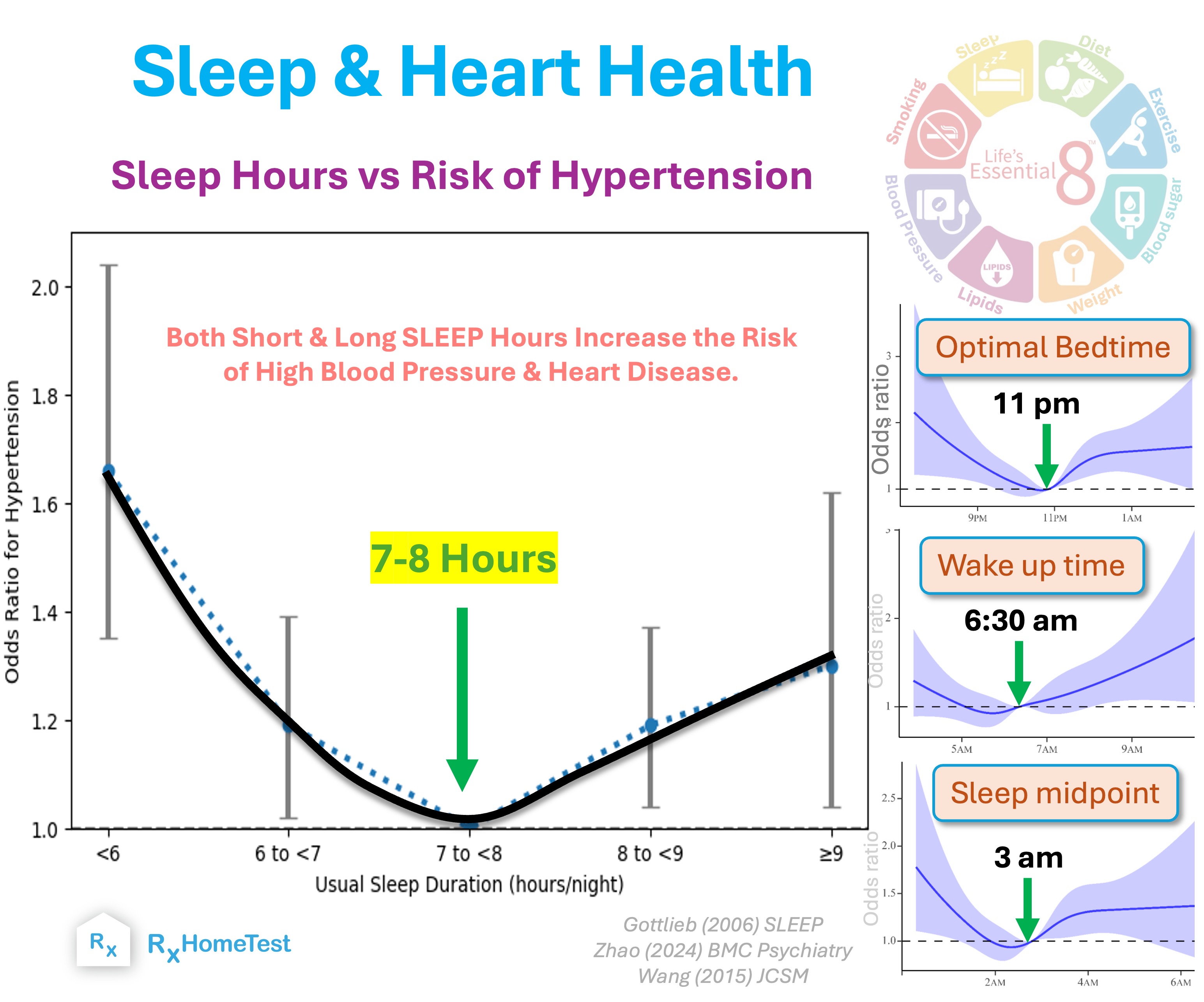
Research shows the ideal sleep requirement is at least 7 hours of sleep every day.
In general, the optimal values are:
7 - 8 hours of sleep
11 pm bedtime
6:30 - 7 am wake up time
The risk of hypertension and heart disease is lowest with these times.
There's some risk associated with higher sleep (over 9 hours/day), which is often indication of other underlying conditions.
Sleep below 4 hours per day is considered very high risk.
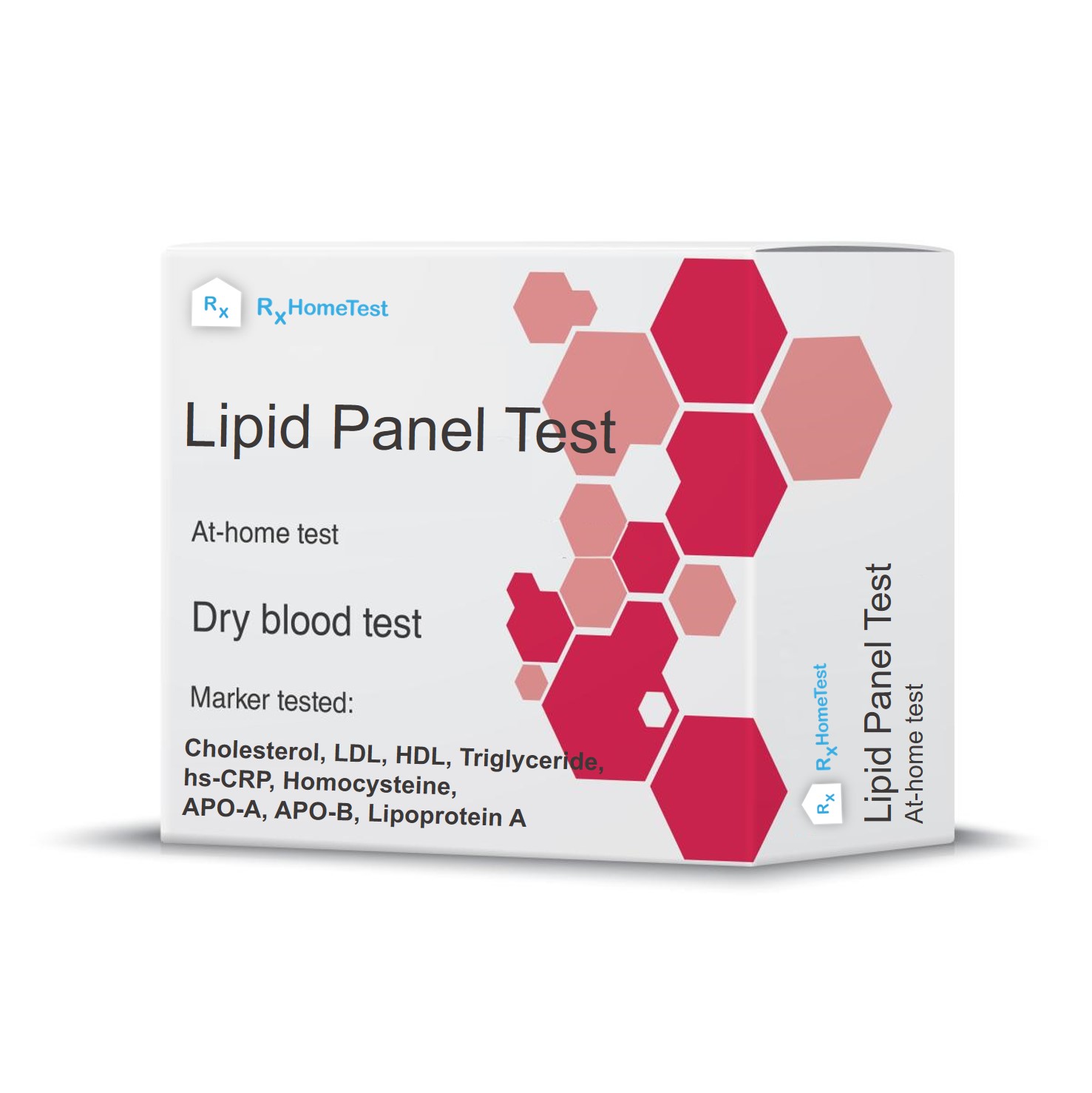
Order an at-home Lipids test kit with Lp(a), APOB, cholesterol and several key markers.
CRP, Inflammation, and Risk of Heart Disease - a comprehensive review of C-reactive protein.
A Blood Test for Inflammation - C-Reactive Protein - learn how to check low levels of inflammation
Obesity and the Risk of Heart Disease - how weight impacts heart health.
Cardiovascular Disease and Vitamin D - a comprehensive review of the role Vitamin D plays in heart health.
The Most Common Signs of Vitamin D Deficiency - learn the signs to get tested.
Genetic Variants of Heart Disease - a detailed look at the critical role genes play in heart diseases.
Inflammation in the Body – how & why of inflammation.
APoE, Alzheimer's, Dementia, and CVD - the complex role of APoE gene.
Lp(a) vs LPA - What's the Difference? - clarify the confusion between Lp(a) and LPA markers.
